Will EVs Redefine City Parking
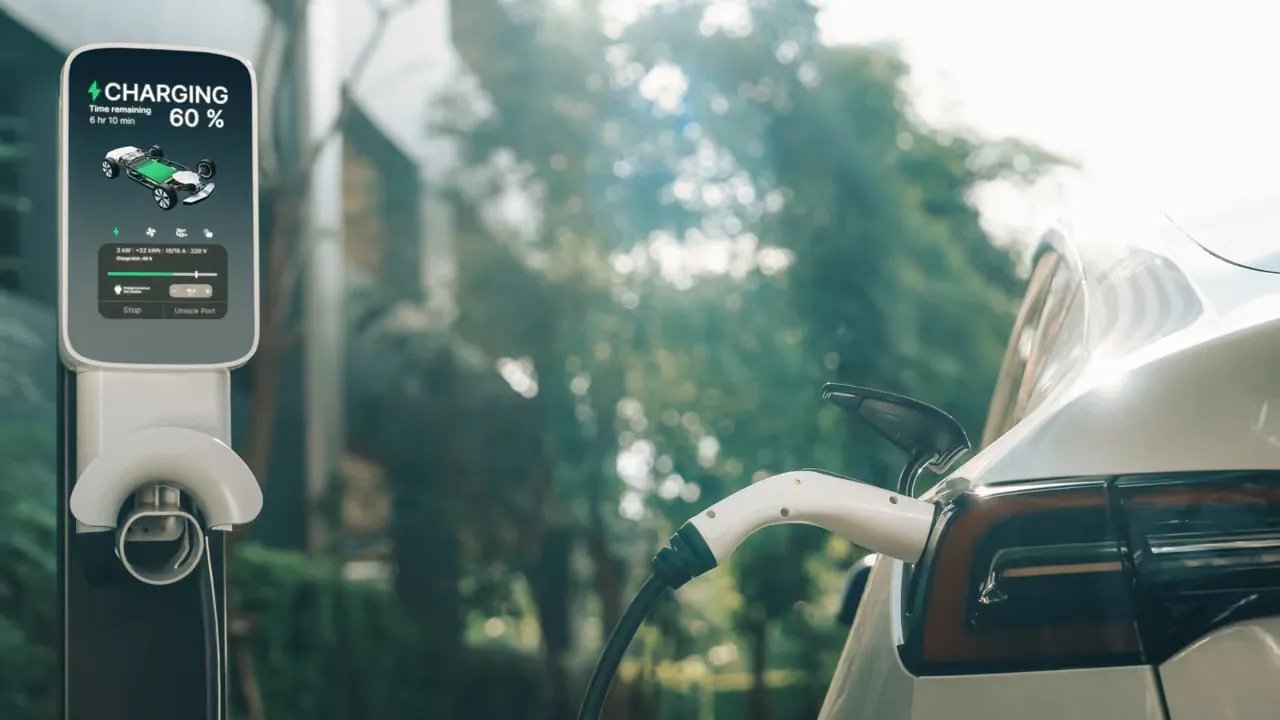
Walking through many cities today, you might notice subtle shifts in how streets and public spaces are organized. It’s not just about where people walk or bike anymore—electric cars are quietly reshaping the urban landscape in ways that go far beyond the obvious presence of charging stations. As electric vehicles (EVs) become a larger part of everyday life, cities are rethinking infrastructure, energy management, and public transit to accommodate this new reality.
Rethinking Parking Integrating EV Needs into Urban Planning
Parking lots and garages have traditionally been designed with the internal combustion engine in mind. But electric cars bring new requirements. These include not only space for charging but also considerations like power access, shading to reduce energy loss during charging, and even the placement of charging points to optimize traffic flow and user convenience.
Urban planners are beginning to integrate EV-specific zones that blend parking with charging capabilities, moving away from the one-size-fits-all approach. Instead of retrofitting old parking structures, many cities are designing new spaces where charging stations are a fundamental feature, not an afterthought.
For example, integrating wireless charging pads within parking spaces or along curbsides means cars can recharge without even needing to plug in, enabling quicker turnover and less clutter from cables. This influences how parking lanes and curbside spaces are measured and used, requiring a fresh look at dimensions and layout.
The Role of Smart Grids in Supporting Electric Vehicle Growth
Electric cars don’t just change how we move—they change how we think about power distribution. Plugging thousands of EVs into the grid without a plan risks overloading infrastructure and causing blackouts. Enter smart grids, which use digital communication technology to manage electricity demand dynamically.
Smart grids allow for load balancing, meaning the grid can shift power where and when it’s needed most. They also enable vehicle-to-grid (V2G) technology, where parked EVs can feed stored energy back into the grid during peak demand. This transforms cars from energy consumers into active energy participants, influencing how cities plan their energy resources and infrastructure.
Installing smart meters and real-time energy monitoring systems in urban areas provides the necessary data to anticipate EV charging patterns, helping utilities avoid costly upgrades and reduce carbon footprints. This integration is prompting cities to rethink the layout of power lines, substations, and even renewable energy installations like solar panels and wind turbines.
Incorporating EVs into Public Transportation Systems
Electric vehicles are no longer limited to personal cars. Public transportation is undergoing an electric revolution as well, with e-buses, e-scooters, and electric bike-sharing programs becoming increasingly common. This trend demands new infrastructure beyond simple charging stations.
Bus depots and stops must now accommodate charging stations that can handle high-capacity, fast-charging needs. This affects the design of transit hubs, requiring integrated energy management systems that coordinate charging schedules to avoid grid strain.
Micro-mobility options like electric scooters and bikes also require docking stations equipped with charging facilities, often strategically placed to encourage last-mile connectivity. These stations are influencing urban design by promoting mixed-use developments and pedestrian-friendly zones, reducing reliance on traditional fuel-powered vehicles.
Such integration positions EVs and micro-mobility as complementary, not competing, elements of urban transport networks.
Future-Proofing Cities Balancing EV Infrastructure with Sustainability Goals
Urban planners are tasked with more than just accommodating EVs—they must ensure that these changes align with broader sustainability goals. This means designing infrastructure that minimizes environmental impact while maximizing social benefits.
For instance, EV charging stations powered by renewable energy sources reduce the carbon footprint of electric cars even further. Cities are investing in solar canopies over parking lots, which provide shade and generate clean power simultaneously. Green roofs and permeable pavements around EV infrastructure help manage stormwater runoff and urban heat island effects.
Additionally, integrating EV infrastructure with smart urban design promotes equity by ensuring charging access in underserved neighborhoods, not just affluent areas. This challenges planners to consider socio-economic factors alongside technological advancements.
Ultimately, future-proofing means creating adaptable infrastructure capable of evolving with rapidly changing EV technologies—wireless charging, battery swapping, or ultra-fast charging stations—so cities remain resilient and ready for the next wave of innovation.