TypesofElectricVehiclesBEVsVsPHEVs
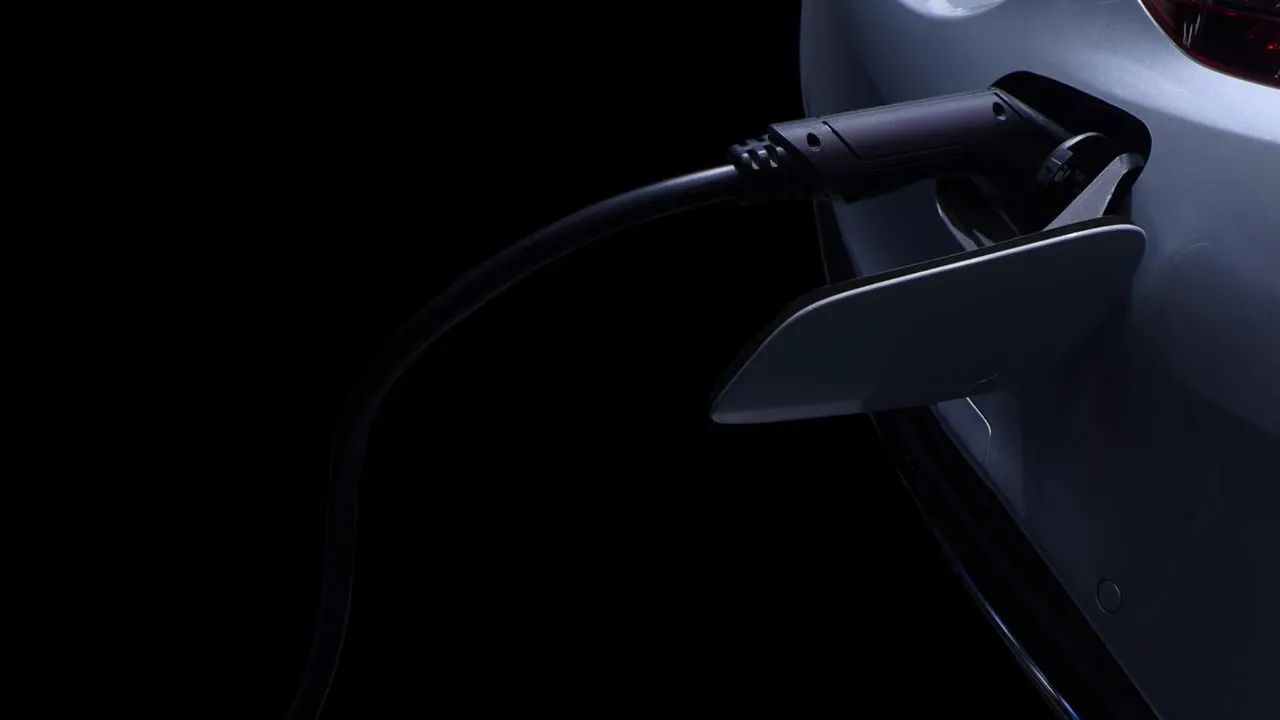
Types of Electric Vehicles: BEVs vs. PHEVs
Electric vehicles (EVs) come in various forms, but two popular options are Battery Electric Vehicles (BEVs) and Plug-in Hybrid Electric Vehicles (PHEVs). Each type has its own set of advantages and considerations, particularly when it comes to factors like electric range and long-range capabilities.
Battery Electric Vehicles (BEVs)
Let’s start with BEVs. These vehicles are powered solely by electricity stored in a battery. This means they produce zero emissions and are more environmentally friendly compared to traditional gas-powered cars. One of the key features of BEVs is their electric range, which refers to how far the vehicle can travel on a single charge.
BEVs are known for their long-range capabilities, with some models offering over 300 miles on a single charge. This makes them ideal for daily commuting and even longer road trips with access to charging stations along the way. The convenience of simply plugging in your vehicle at home or at a charging station and waking up to a full battery the next day is a major selling point for BEV owners.
Pros of BEVs:
- Zero emissions
- Lower operating costs
- Quiet and smooth driving experience
Cons of BEVs:
- Limited charging infrastructure
- Long charging times compared to refueling gas
- Higher upfront costs
Plug-in Hybrid Electric Vehicles (PHEVs)
On the other hand, PHEVs combine an electric motor with a gasoline engine, offering the flexibility of running on electricity or gasoline. This dual-power system allows PHEVs to have a longer range compared to BEVs, as they can switch to gasoline when the battery is depleted.
PHEVs are a good option for those who have range anxiety or need the ability to travel long distances without worrying about finding a charging station. They are also a suitable choice for individuals who may not have access to dedicated home charging but still want to reduce their carbon footprint.
Pros of PHEVs:
- Extended range with gasoline backup
- Lower emissions compared to traditional vehicles
- Flexibility to switch between electric and gasoline modes
Cons of PHEVs:
- Higher maintenance costs due to dual power systems
- Less environmentally friendly than BEVs
- Reliance on gasoline for longer journeys
Choosing the Right EV for You
When deciding between a BEV and a PHEV, consider your daily driving habits, access to charging infrastructure, and the importance of reducing emissions. If you prioritize zero emissions, long-range capabilities, and lower operating costs, a BEV might be the right choice for you. On the other hand, if you need the flexibility of longer range and the convenience of gasoline backup, a PHEV could be more suitable.
Conclusion
Both BEVs and PHEVs offer unique benefits and considerations, so it ultimately comes down to your individual needs and preferences. Whichever type of electric vehicle you choose, you’ll be contributing to a cleaner and more sustainable future for transportation.