The Future of Electric Vehicles
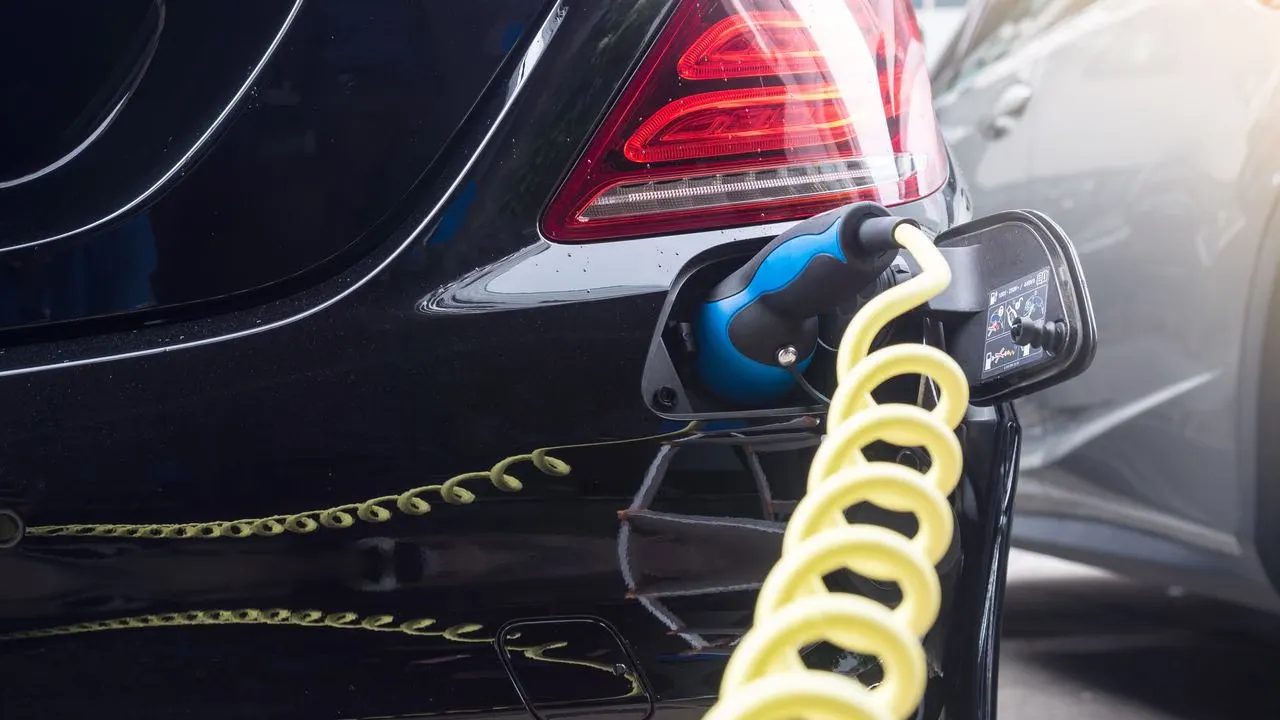
Electric Vehicles: The Future of Transportation
Electric vehicles (EVs) have gained significant popularity in recent years as a sustainable and environmentally-friendly alternative to traditional gasoline-powered cars. With advancements in technology and increased awareness about climate change, more and more people are considering making the switch to electric vehicles. However, there are still some concerns and challenges that need to be addressed, such as the availability of EV charging stations, the range of electric vehicles, and the role of EV manufacturers.
EV Charging Stations: The Backbone of Electric Mobility
One of the key factors driving the adoption of electric vehicles is the availability of EV charging stations. Just like traditional gas stations, EV charging stations are essential for the convenience and accessibility of electric vehicles. Fortunately, the infrastructure for EV charging stations has been steadily growing, with more and more stations being installed in public places, workplaces, and residential areas.
EV charging stations can be categorized into three main types: Level 1, Level 2, and DC fast charging. Level 1 charging stations use a standard household outlet and provide a charging rate of about 2-5 miles of range per hour. Level 2 charging stations, on the other hand, require a dedicated charging unit and can provide a charging rate of about 10-20 miles of range per hour. DC fast charging stations, also known as Level 3 charging stations, are the fastest option, allowing EVs to charge up to 80% in as little as 30 minutes.
While the number of EV charging stations has been increasing, there is still a need for further expansion to ensure that EV owners have easy access to charging infrastructure, especially in rural and remote areas. Governments and private companies need to collaborate to invest in the development of a robust charging network to support the growing number of electric vehicles on the roads.
Electric Vehicle Range: Breaking the Barrier
Another concern for potential EV buyers is the range of electric vehicles. Range anxiety, the fear of running out of battery power during a journey, has been a significant barrier to widespread adoption of electric vehicles. However, with advancements in battery technology, the range of electric vehicles has significantly improved over the years.
Most modern electric vehicles offer a range of 200-300 miles on a single charge, which is more than sufficient for daily commuting and even long-distance travel. Additionally, the development of fast-charging technology has made it easier for EV owners to recharge their vehicles during longer trips, reducing the impact of range anxiety.
However, it is important to note that the range of electric vehicles can vary depending on driving conditions, such as speed, weather, and terrain. EV manufacturers are continuously working to improve the range and efficiency of their vehicles through innovations in battery technology and aerodynamics.
The Role of EV Manufacturers: Driving Innovation
EV manufacturers play a crucial role in driving the adoption of electric vehicles and shaping the future of transportation. Companies like Tesla, Nissan, and Chevrolet have been at the forefront of the electric vehicle revolution, offering a range of models that cater to different needs and budgets.
These manufacturers are not only focused on improving the range and performance of electric vehicles but also on making them more affordable and accessible to the general public. They are investing in research and development to enhance battery technology, reduce production costs, and increase production capacity to meet the growing demand for electric vehicles.
Moreover, EV manufacturers are also collaborating with other industries, such as renewable energy and smart grid technologies, to create a sustainable ecosystem that supports the widespread adoption of electric vehicles. This includes initiatives like vehicle-to-grid integration, where electric vehicles can feed excess energy back into the grid during peak demand periods.
In Conclusion
Electric vehicles have the potential to revolutionize the way we travel and significantly reduce our carbon footprint. The availability of EV charging stations, the range of electric vehicles, and the efforts of EV manufacturers are all crucial factors in driving the adoption of electric vehicles. As technology continues to advance and infrastructure expands, electric vehicles are poised to become the future of transportation.