The Future of Electric Cars and E-Mobility
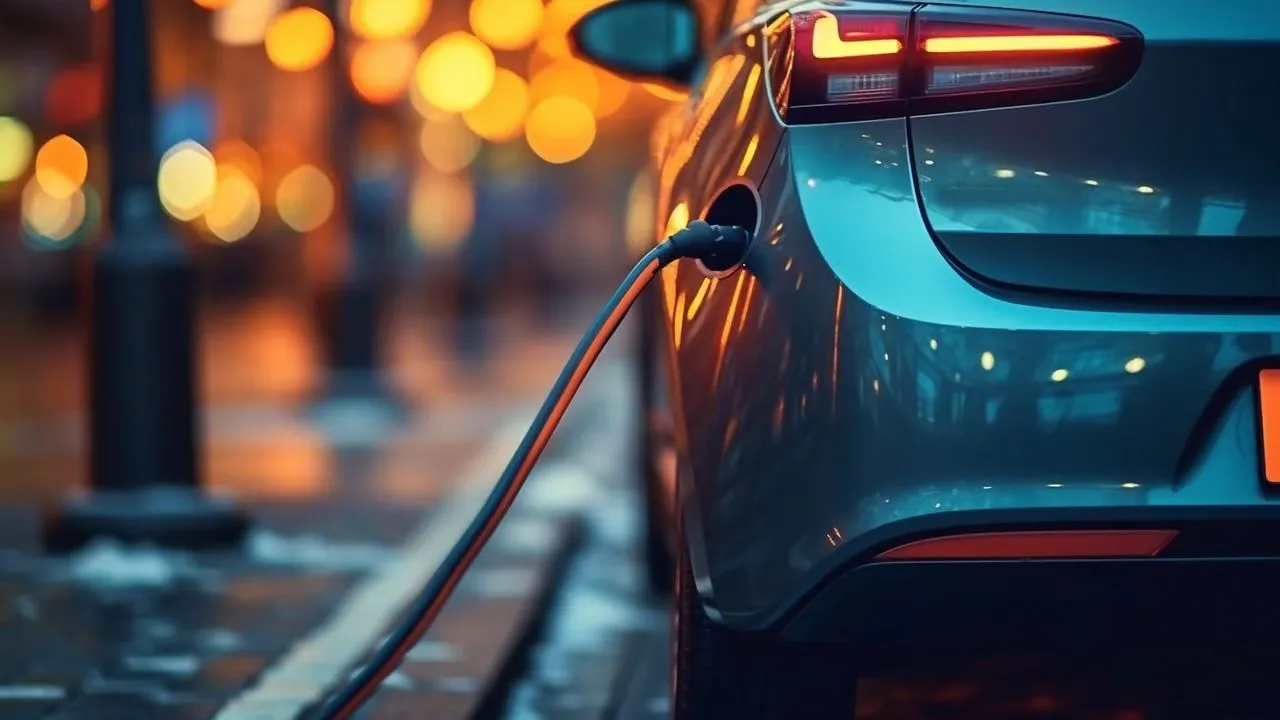
The Future of Electric Cars and E-Mobility
Electric cars have been gaining popularity in recent years as more people become aware of the environmental impact of traditional gasoline-powered vehicles. The future of electric cars and e-mobility looks promising, with advancements in technology and infrastructure paving the way for a more sustainable transportation system.
Mobility-as-a-Service
One of the key trends in the future of e-mobility is the concept of mobility-as-a-service (MaaS). MaaS refers to the integration of various transportation services, such as ride-sharing, car-sharing, and public transit, into a single platform. This allows users to access different modes of transportation seamlessly, making it easier to choose electric options.
MaaS platforms can provide real-time information on the availability and location of electric vehicles, making it convenient for users to find and book a ride. By offering a variety of transportation options, MaaS can encourage more people to switch to electric cars, reducing the overall carbon footprint of the transportation sector.
Smart Grid Integration
Another important aspect of the future of e-mobility is smart grid integration. As the number of electric vehicles on the road increases, it becomes crucial to manage their charging and energy consumption efficiently. Smart grid technology enables the integration of electric vehicles into the existing power grid, allowing for optimized charging and load balancing.
With smart grid integration, electric vehicle owners can take advantage of off-peak electricity rates, charging their cars when the demand for electricity is low. This not only reduces the cost of charging but also helps to stabilize the grid by distributing the load more evenly throughout the day.
Energy Storage Innovations
Energy storage is a critical component of e-mobility, as it determines the range and performance of electric vehicles. In recent years, there have been significant advancements in energy storage technologies, making electric cars more practical and efficient.
Lithium-ion batteries are currently the most common type of energy storage used in electric vehicles. However, researchers are continuously working on developing new and improved battery technologies. Solid-state batteries, for example, offer higher energy density and faster charging times compared to traditional lithium-ion batteries.
Other energy storage innovations include hydrogen fuel cells, which convert hydrogen gas into electricity, emitting only water vapor as a byproduct. Fuel cell electric vehicles have longer ranges and shorter refueling times compared to battery electric vehicles, making them a viable option for long-distance travel.
Overall, the future of electric cars and e-mobility looks promising. The concept of mobility-as-a-service, combined with smart grid integration and energy storage innovations, will play a crucial role in transitioning to a more sustainable transportation system. As technology continues to advance, electric vehicles will become more accessible, affordable, and efficient, making them a viable alternative to traditional gasoline-powered cars.