The Future of Electric Cars and E-Mobility
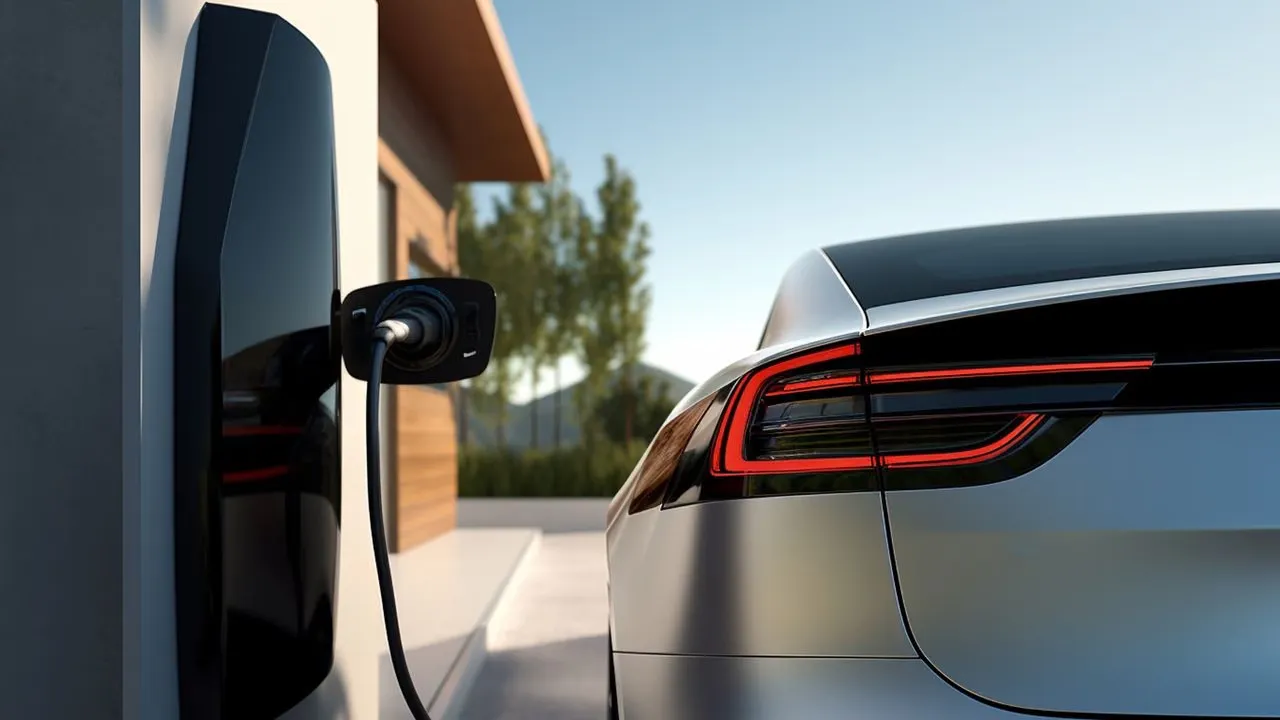
The Future of Electric Cars and E-Mobility: A Glimpse into Smart Cities and Energy Storage Innovations
Electric vehicles (EVs) have been gaining popularity in recent years, and it’s not hard to see why. With concerns about climate change and a desire for sustainable transportation options, more and more people are turning to EVs as a viable alternative to traditional gasoline-powered cars. But what does the future hold for electric cars and e-mobility? Let’s take a closer look.
The Rise of Smart Cities
One of the key driving forces behind the future of EVs is the concept of smart cities. As urban areas become more congested and pollution levels rise, city planners are looking for innovative solutions to tackle these challenges. Smart cities aim to integrate technology and data to improve the quality of life for residents, and electric vehicles play a crucial role in this vision.
Imagine a city where EVs are the primary mode of transportation. With a robust charging infrastructure in place, residents can easily find charging stations and power up their vehicles. This not only reduces the reliance on fossil fuels but also helps to improve air quality and reduce noise pollution in urban areas.
Furthermore, smart cities can leverage data from EVs to optimize traffic flow and reduce congestion. By analyzing real-time data on vehicle movements, city planners can make informed decisions about traffic management, leading to more efficient transportation systems.
The Future of EVs
As technology continues to advance, the future of electric cars looks promising. One of the key areas of development is in battery technology. Currently, the range and charging times of EVs are a concern for many potential buyers. However, significant progress is being made in energy storage innovations.
New battery technologies, such as solid-state batteries, promise to revolutionize the EV industry. These batteries offer higher energy density, longer range, and faster charging times. With these advancements, range anxiety will become a thing of the past, making EVs a more attractive option for consumers.
In addition to improved batteries, the future of EVs also includes advancements in wireless charging technology. Imagine parking your car in a designated spot, and it automatically starts charging without the need for cables or plugs. This convenience will further encourage the adoption of electric vehicles and make charging more accessible for everyone.
Energy Storage Innovations
Energy storage is a critical component of the future of electric cars and e-mobility. As the demand for EVs increases, so does the need for efficient and scalable energy storage solutions. Innovations in this field are paving the way for a more sustainable and reliable energy future.
One such innovation is vehicle-to-grid (V2G) technology. With V2G, EVs can not only draw energy from the grid but also feed excess energy back into it. This two-way flow of electricity helps to balance the grid and optimize energy usage. In the future, EVs could become an integral part of the energy ecosystem, acting as mobile energy storage units.
Another exciting development is the use of second-life batteries. As EV batteries degrade over time, they may no longer meet the performance requirements for cars. However, these batteries still have significant capacity and can be repurposed for energy storage applications. By giving these batteries a second life, we can reduce waste and maximize the value of EV batteries.
In Conclusion
The future of electric cars and e-mobility is bright. As smart cities become a reality, EVs will play a crucial role in creating sustainable and efficient transportation systems. With advancements in battery technology and energy storage innovations, the barriers to EV adoption will continue to diminish. The future is electric, and it’s an exciting time to be part of the e-mobility revolution.