Shifting Towards a Circular Economy
Circular Economy: Shifting Towards Sustainable Practices
As the world grapples with the challenges of climate change and resource depletion, the concept of a circular economy has gained significant attention. A circular economy aims to minimize waste, promote sustainability, and create economic value by keeping resources in use for as long as possible. In this article, we will explore the importance of circular economy education, circular business models, and the significance of reuse and recycling in achieving a more sustainable future.
Circular Economy Education: Empowering the Next Generation
Education plays a crucial role in shaping the mindset and behavior of future generations. By integrating circular economy principles into educational curricula, we can equip students with the knowledge and skills needed to drive sustainable change. Circular economy education encourages critical thinking, innovation, and a deep understanding of the interconnectedness between economic, social, and environmental systems.
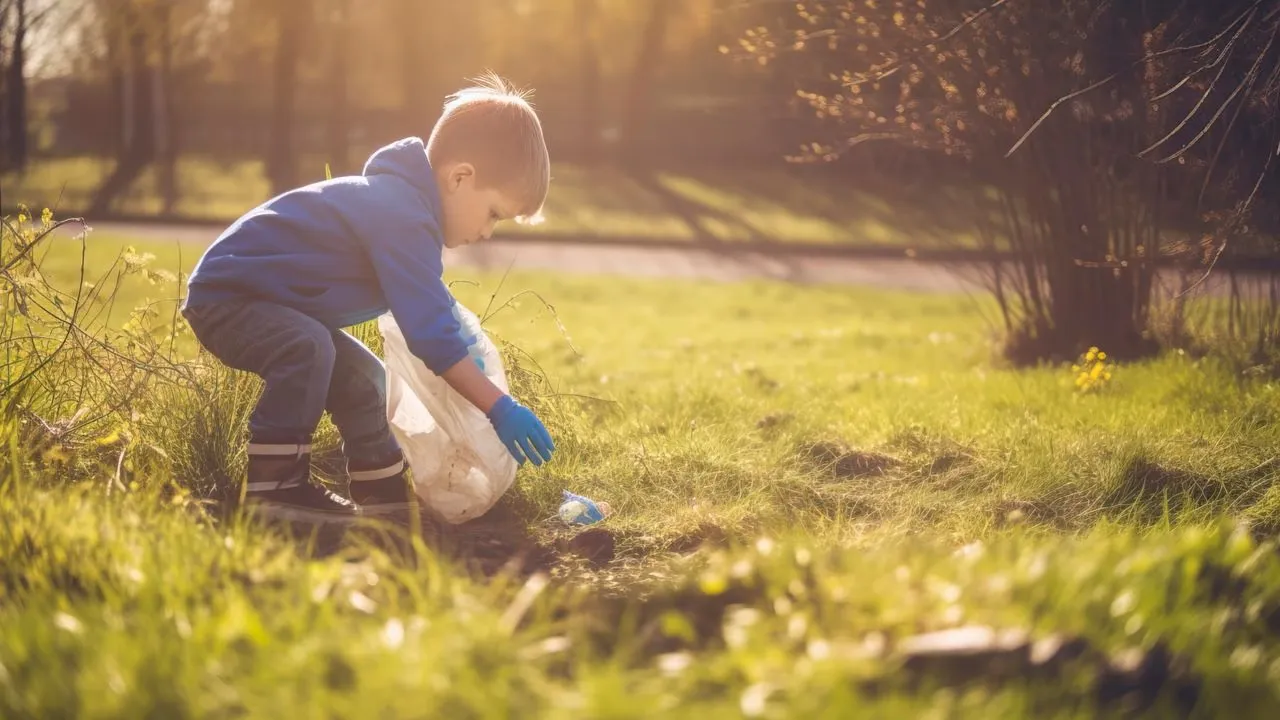
Through hands-on activities, students can learn about the importance of reducing waste, designing products for longevity, and implementing efficient recycling and reuse systems. By fostering a sense of responsibility and stewardship towards the environment, circular economy education empowers young minds to become catalysts for sustainable development.
Circular Business Models: Redefining Success
In a circular economy, businesses are encouraged to adopt circular business models that prioritize resource efficiency and waste reduction. Traditional linear business models, which follow a “take-make-dispose” approach, are increasingly being replaced by circular alternatives.
One such model is the “circular supply chain,” which focuses on reducing waste by reusing and recycling materials. By implementing closed-loop systems, businesses can recover and regenerate resources, minimizing the need for extraction and reducing environmental impact. This not only benefits the planet but also presents economic opportunities through cost savings and new revenue streams.
Another circular business model gaining traction is “product-as-a-service.” Instead of selling products, companies provide access to goods and services, allowing customers to use and return them once they are no longer needed. This approach encourages product durability, repairability, and efficient use of resources, while also fostering customer loyalty and reducing overall consumption.
Reuse and Recycling: Closing the Loop
Reuse and recycling are fundamental pillars of the circular economy. By extending the lifespan of products and materials, we can reduce the demand for virgin resources and minimize waste generation. Reuse involves finding new ways to utilize products or components, while recycling involves transforming waste materials into new products.
Efficient recycling systems require collaboration between governments, businesses, and consumers. Governments can implement policies and regulations that promote recycling infrastructure and incentivize sustainable practices. Businesses can design products with recyclability in mind and invest in recycling technologies. Consumers can play their part by practicing responsible consumption, separating waste correctly, and supporting businesses that prioritize circularity.
Furthermore, innovation in recycling technologies is crucial for closing the loop. Advanced sorting techniques, chemical recycling, and the development of new materials made from recycled content are all contributing to a more efficient and effective recycling process.
Conclusion
The transition towards a circular economy is essential for addressing the environmental challenges we face today. Circular economy education, circular business models, and the promotion of reuse and recycling are all vital components of this transformative journey. By embracing these principles and working together, we can create a more sustainable and prosperous future for generations to come.