Harnessing Wind Power: A Renewable Energy Source
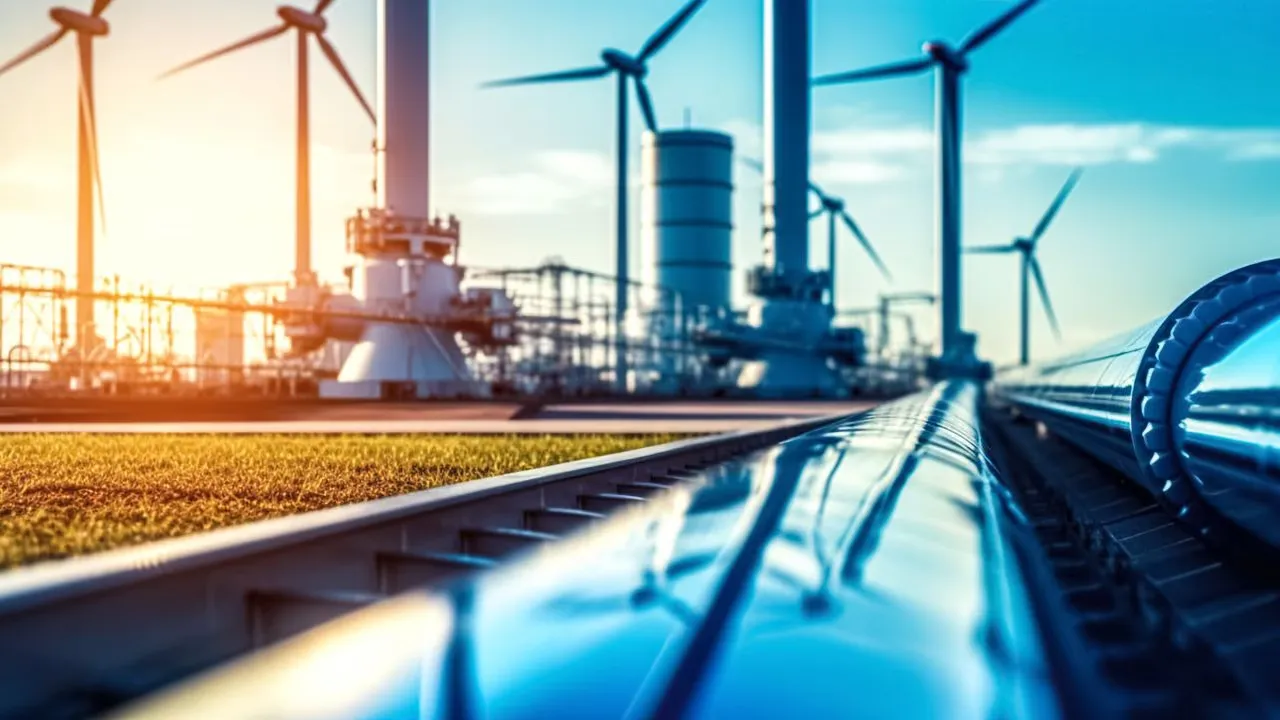
Wind Power: Harnessing the Clean and Renewable Energy Source
Renewable energy has become a hot topic in recent years as the world seeks cleaner and more sustainable alternatives to fossil fuels. One such source of renewable energy is wind power, which has seen a significant increase in capacity and popularity in recent years.
Understanding Wind Power Capacity
Wind power capacity refers to the maximum amount of power that can be generated by wind turbines. It is typically measured in megawatts (MW) and is dependent on factors such as the size and number of turbines, wind speed, and efficiency of the turbine technology.
Over the past decade, wind power capacity has experienced remarkable growth worldwide. According to the Global Wind Energy Council (GWEC), the total global wind power capacity reached 651 GW by the end of 2020. This represents a substantial increase from just 74 GW in 2006.
The Advantages of Wind Energy
Wind energy offers numerous advantages over conventional energy sources:
- Renewable and Clean: Wind power is a renewable energy source, meaning it will not deplete over time. Unlike fossil fuels, wind power does not produce harmful emissions, making it a clean and environmentally friendly option.
- Abundance: Wind is an abundant resource found in many parts of the world. Harnessing wind power can significantly reduce dependence on finite fossil fuel reserves.
- Cost-Effective: Once the initial setup costs are covered, wind power becomes a cost-effective energy source. The fuel, wind, is free, and operational costs are relatively low compared to conventional power plants.
- Job Creation: The wind power industry has the potential to create jobs in manufacturing, installation, maintenance, and research and development.
- Community Benefits: Wind farms can provide economic benefits to local communities through land lease agreements and tax revenues.
Challenges and Solutions
While wind energy has many advantages, there are also challenges associated with its implementation:
- Intermittency: Wind is an intermittent energy source, meaning it is not constant and can vary in strength. This can pose challenges for grid operators in maintaining a stable power supply.
- Location and Land Availability: Not all regions have suitable wind conditions or available land for wind farms. Identifying optimal locations and addressing concerns related to visual impact and noise can be challenging.
- Infrastructure and Transmission: Integrating wind power into existing energy infrastructure and ensuring efficient transmission of electricity from remote wind farms to consumption centers require significant investment.
- Environmental Impact: While wind power is considered environmentally friendly, the construction and operation of wind farms can still have some impact on wildlife and ecosystems. Proper planning and mitigation measures are necessary to minimize these effects.
The Future of Wind Power
Despite the challenges, wind power continues to gain momentum as a viable and sustainable energy source. Advancements in turbine technology, such as larger and more efficient turbines, are improving the overall performance and cost-effectiveness of wind energy.
Additionally, research and development efforts are focused on addressing the challenges associated with wind power. Energy storage technologies, such as batteries, are being explored to mitigate the intermittency issue and ensure a stable power supply. Advances in grid infrastructure and smart grid systems are also supporting the integration of wind power into existing energy networks.
As governments and industries worldwide recognize the importance of transitioning to clean and renewable energy sources, wind power is expected to play a significant role in meeting future energy demands. By harnessing the power of the wind, we can reduce greenhouse gas emissions, combat climate change, and create a more sustainable future.