Green Tips for Charging Your Electric Vehicle
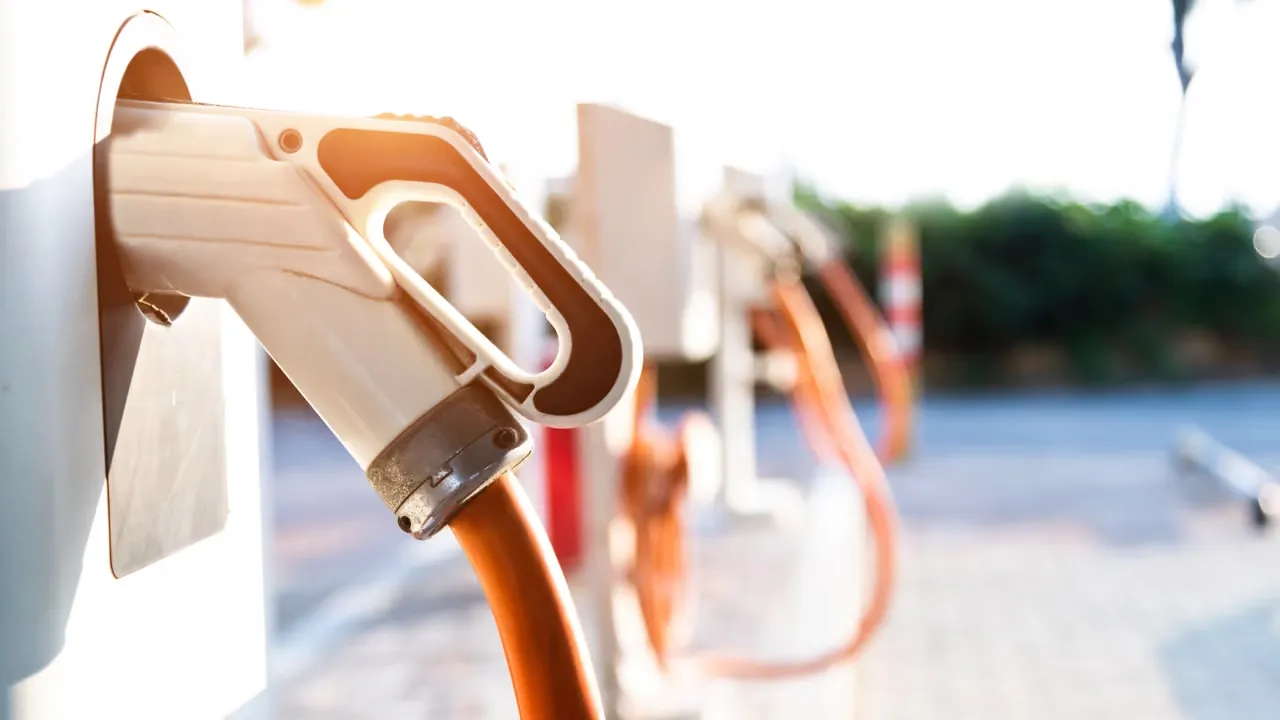
How green is your electric vehicle charging routine? As more drivers switch to EVs, the focus often lands on zero tailpipe emissions, but the environmental impact of how and where you charge matters just as much. Not all plugs are created equal, and understanding the nuances can tip the scales toward truly sustainable driving.
Comparing the Carbon Footprint of Home Charging Versus Public Charging Stations
When you plug in your EV at home, the carbon footprint largely depends on your local electricity mix. In many cases, home charging can be greener because you have some control over when and how you charge. For instance, if your utility provides off-peak hours powered by cleaner energy, you can take advantage of those times.
Public charging stations, on the other hand, vary widely. Some fast-charging hubs are powered by renewable sources, while others rely on the standard grid, which might still be heavily fossil-fuel-based. Fast chargers also tend to draw significantly more power in a short burst, which can increase demand on the grid and sometimes lead to less efficient energy use overall.
Moreover, public charging infrastructure is often located in commercial areas where the energy mix is less transparent. Without clear information on the source of electricity, it’s harder to gauge the true environmental cost of that charge.
Understanding the Energy Sources Behind Your EV’s Charge
The key to reducing the environmental impact of charging lies in the energy source. Electricity generated from coal or natural gas creates a much larger carbon footprint than power from wind, solar, or hydroelectric plants. Knowing the makeup of your grid lets you make smarter choices about when and where to charge.
Many utility companies now offer green energy programs that let you pay a premium to ensure your electricity comes from renewable sources. If you’re charging at home, signing up for such programs can drastically lower your EV’s indirect emissions.
In some regions, the grid is becoming cleaner by the day, meaning that even standard charging is gradually improving its environmental profile. However, in areas still reliant on fossil fuels, the benefits of driving electric can be offset by dirty electricity.
Tracking Your Charging Carbon Footprint
Several apps and services now provide real-time data on the carbon intensity of your local grid. By syncing your charging schedule with periods of lower carbon emissions—like sunny afternoons with high solar output or windy nights—you can minimize your carbon footprint without changing your driving habits.
How Smart Charging Can Reduce Environmental Impact
Smart charging technology is a game changer for eco-conscious EV owners. These systems communicate with the grid to optimize charging times and power levels, often automatically adjusting to when renewable energy is most abundant or grid demand is lowest.
Smart chargers can delay charging until off-peak hours, reducing strain on the grid and preventing the use of carbon-heavy peaker plants that only run during high demand. Some even integrate with home solar systems, prioritizing self-generated clean energy.
Fast charging is convenient but can lead to energy inefficiencies and higher emissions if done improperly. Smart charging helps balance the need for speed with environmental responsibility by moderating charging rates and timing.
Tips for EV Owners to Maximize Eco-Friendly Charging Practices
- Charge during off-peak hours: Use your utility’s time-of-use rates and smart chargers to plug in when the grid is cleaner and less stressed.
- Enroll in green energy programs: If available, opt for renewable energy plans to ensure your electricity comes from wind, solar, or hydro power.
- Install solar panels: Generate your own clean electricity at home to power your EV without adding to grid demand.
- Use Level 2 chargers at home: These chargers balance speed and efficiency better than fast chargers, reducing unnecessary energy losses.
- Avoid excessive use of DC fast chargers: Reserve them for long trips when quick charging is essential, as they generally have a larger carbon footprint.
- Monitor grid carbon intensity: Use apps or websites that track your local grid’s real-time carbon emissions to plan greener charging times.
Making your EV even greener isn’t just about what you drive but how you fuel it. Every charge is an opportunity to cut emissions and support a cleaner energy future.