Fast Charging vs Slow Charging for Electric Vehicles: Debunking Range Anxiety
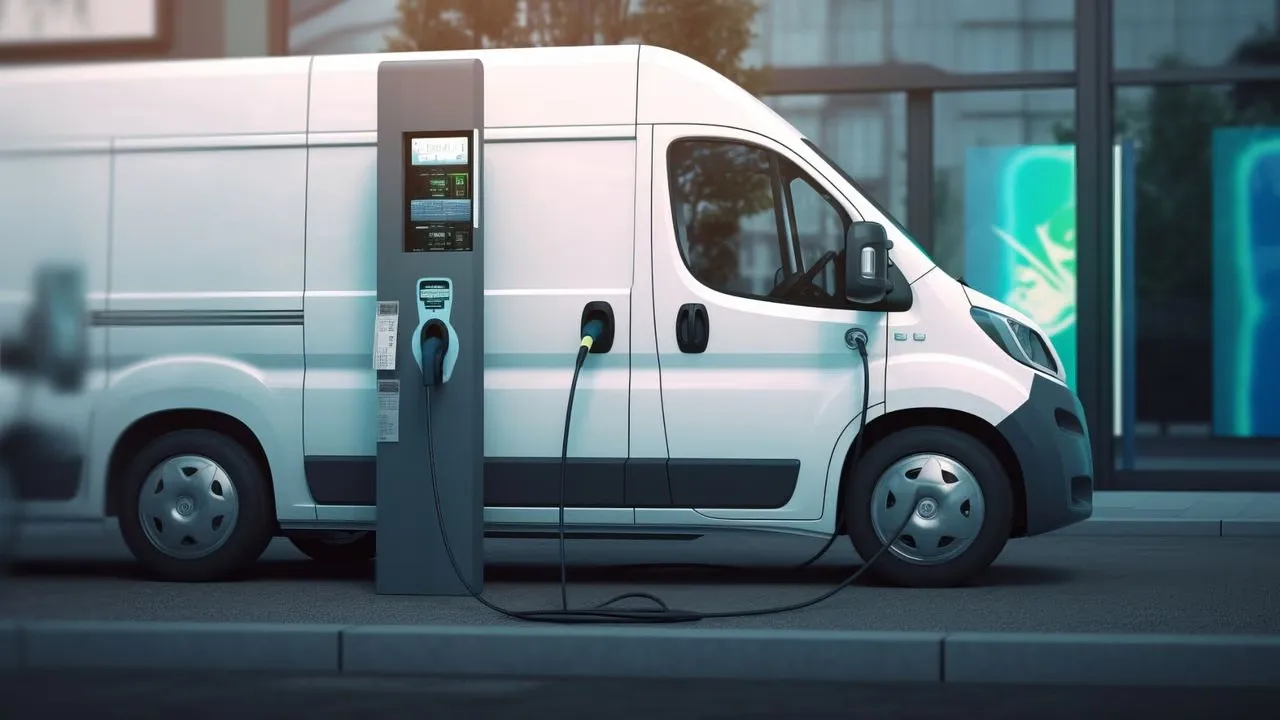
Fast Charging vs. Slow Charging: Debunking the Range Anxiety Myth
As electric vehicles (EVs) become increasingly popular, one of the biggest concerns for potential buyers is range anxiety. This fear stems from the worry that an EV’s battery will run out of charge before reaching its destination, leaving the driver stranded. While advancements in battery technology have significantly increased the range of EVs, the charging infrastructure remains a crucial aspect to address. In this article, we will explore the debate between fast charging and slow charging for electric vehicles, considering factors such as battery capacity and charging time.
Battery Capacity: The Key to Overcoming Range Anxiety
Range anxiety is primarily driven by the fear of running out of battery power during a trip. To alleviate this concern, EV manufacturers have focused on improving battery capacity. Modern EVs can now travel hundreds of miles on a single charge, making them suitable for most daily commutes and even long-distance journeys.
However, the battery capacity is not the sole factor in determining the range of an electric vehicle. Driving habits, weather conditions, and terrain also play a role. This is where charging infrastructure becomes crucial.
Slow Charging: The Reliable and Convenient Option
Slow charging, also known as Level 1 or Level 2 charging, refers to using a standard electrical outlet or a dedicated charging station to charge an EV. This method typically takes several hours to fully charge the battery, depending on the vehicle and charger specifications.
While slow charging may seem inconvenient at first glance, it offers several advantages. Firstly, it is the most accessible option as standard electrical outlets are widely available. This means that EV owners can charge their vehicles at home, work, or any other location with a power source. Additionally, slow charging puts less strain on the battery, which can help prolong its lifespan.
Moreover, slow charging is often more cost-effective compared to fast charging. Fast charging stations usually come with higher fees, while slow charging can be done using existing infrastructure without additional expenses.
Fast Charging: The Need for Speed
Fast charging, also known as Level 3 or DC fast charging, allows EVs to charge at a much higher rate, significantly reducing charging time. With fast charging stations, drivers can replenish their battery to around 80% capacity in as little as 30 minutes.
Fast charging is particularly useful for long trips or when time is of the essence. It enables EV drivers to take shorter breaks during their journeys, similar to refueling a conventional gasoline-powered vehicle. Additionally, the availability of fast charging stations along highways and major routes is expanding, making long-distance travel with EVs more feasible.
However, fast charging has its drawbacks. The high charging rate generates more heat, which can degrade the battery over time. Frequent use of fast charging may result in reduced battery capacity and overall lifespan. Furthermore, the infrastructure for fast charging is still developing, and not all areas have sufficient coverage, leading to potential inconveniences for EV owners.
Conclusion
Both slow charging and fast charging have their merits and drawbacks. Slow charging offers convenience, accessibility, and cost-effectiveness, while fast charging provides speed and convenience for long trips. Ultimately, the choice between the two depends on an individual’s driving habits, needs, and access to charging infrastructure.
As the electric vehicle market continues to grow, it is crucial to expand the charging infrastructure to alleviate range anxiety and cater to the diverse needs of EV owners. By combining the benefits of both slow and fast charging, we can create a comprehensive charging network that supports the widespread adoption of electric vehicles.