Electric Vehicle Charging at Home: Options & Considerations
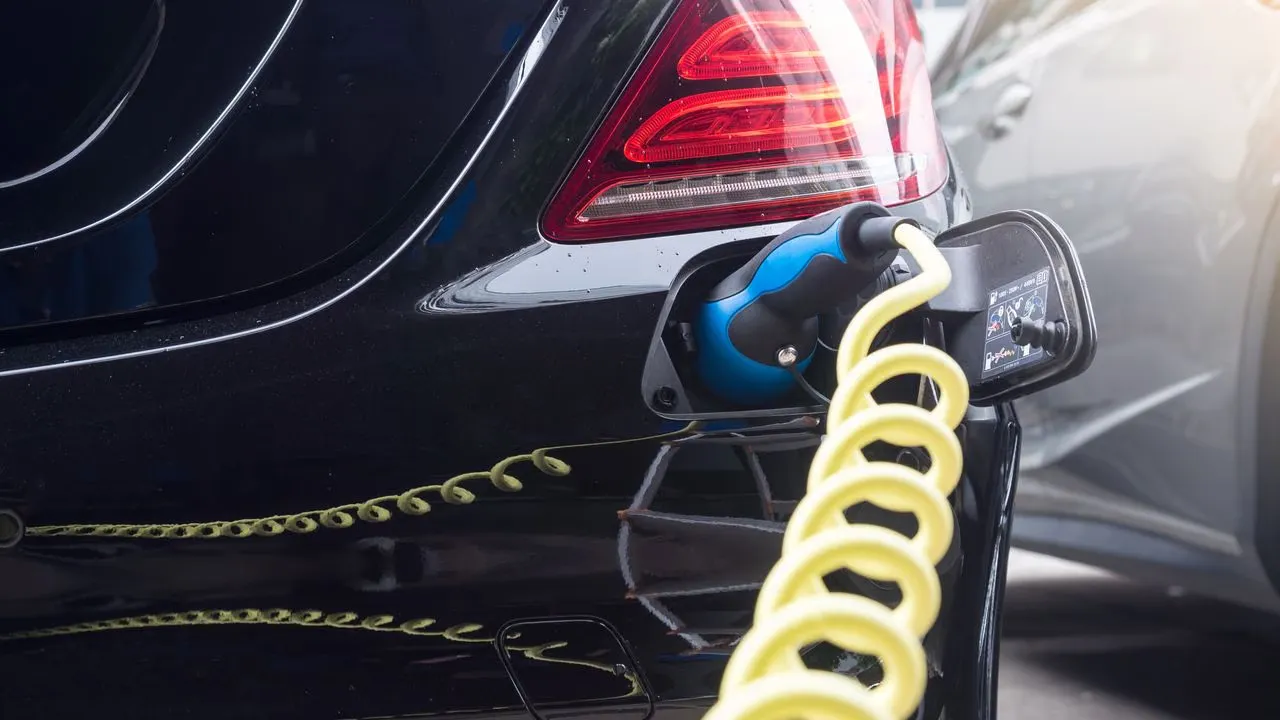
Electric Vehicle Charging at Home: Options and Considerations
As the popularity of electric vehicles (EVs) continues to rise, more and more people are considering the convenience of residential charging. Charging your EV at home not only saves time and money but also allows you to have a fully charged vehicle every morning. In this article, we will explore the various options and considerations for electric vehicle charging at home.
Residential Charging Options
When it comes to residential charging, there are a few options to consider:
- Level 1 Charging: This is the most basic form of residential charging and involves plugging your EV into a standard 120-volt outlet. While this option is the slowest, it is also the most accessible and requires no additional installation costs.
- Level 2 Charging: Level 2 charging requires a dedicated 240-volt circuit and a charging station. This option provides faster charging times compared to Level 1 and is the most common choice for residential charging. It is important to hire a qualified electrician to install the necessary circuit and charging station.
- Level 3 Charging (DC Fast Charging): Level 3 charging, also known as DC Fast Charging, is the fastest charging option available for EVs. However, it requires specialized equipment and is typically found in public charging stations rather than residential settings.
Smart Charging
Smart charging technology allows EV owners to optimize their charging process, taking advantage of off-peak electricity rates and minimizing energy consumption. Here are some key features of smart charging:
- Time-of-Use (TOU) Rates: Many utility companies offer TOU rates, which provide lower electricity rates during off-peak hours. Smart charging systems can be programmed to charge your EV during these times, saving you money on your electricity bill.
- Remote Monitoring and Control: Smart charging stations often come with smartphone apps or web interfaces that allow you to monitor and control your charging sessions. This feature enables you to start or stop charging remotely, ensuring that your EV is ready when you need it.
- Load Management: Some smart charging systems have load management capabilities, which distribute the available power among multiple EVs charging simultaneously. This feature prevents overloading the electrical system and ensures efficient charging for all connected vehicles.
Considerations for Residential Charging
Before installing a charging station at home, there are a few important considerations to keep in mind:
- Electrical Panel Capacity: It is crucial to assess your electrical panel’s capacity to handle the additional load of an EV charger. An electrician can help determine if any upgrades or modifications are necessary.
- Charging Speed: Consider your daily driving habits and charging needs when choosing between Level 1 and Level 2 charging. Level 2 charging is recommended for most EV owners due to its faster charging times.
- Installation Costs: While Level 1 charging requires no additional installation costs, Level 2 charging may require an electrician to install a dedicated circuit and charging station. It is essential to factor in these costs when budgeting for residential charging.
- Future Expansion: If you plan to purchase additional EVs in the future or anticipate an increase in your charging needs, it is wise to install a charging station with multiple charging ports or the ability to add more ports later.
Conclusion
Residential charging is a convenient and cost-effective way to keep your electric vehicle fully charged. By understanding the various options available and considering factors such as smart charging and energy consumption, you can make an informed decision that suits your needs. Whether you choose Level 1 or Level 2 charging, embracing electric vehicle charging at home is a step towards a greener and more sustainable future.