Electric Vehicle Adoption: Battery Cost Drives Sales
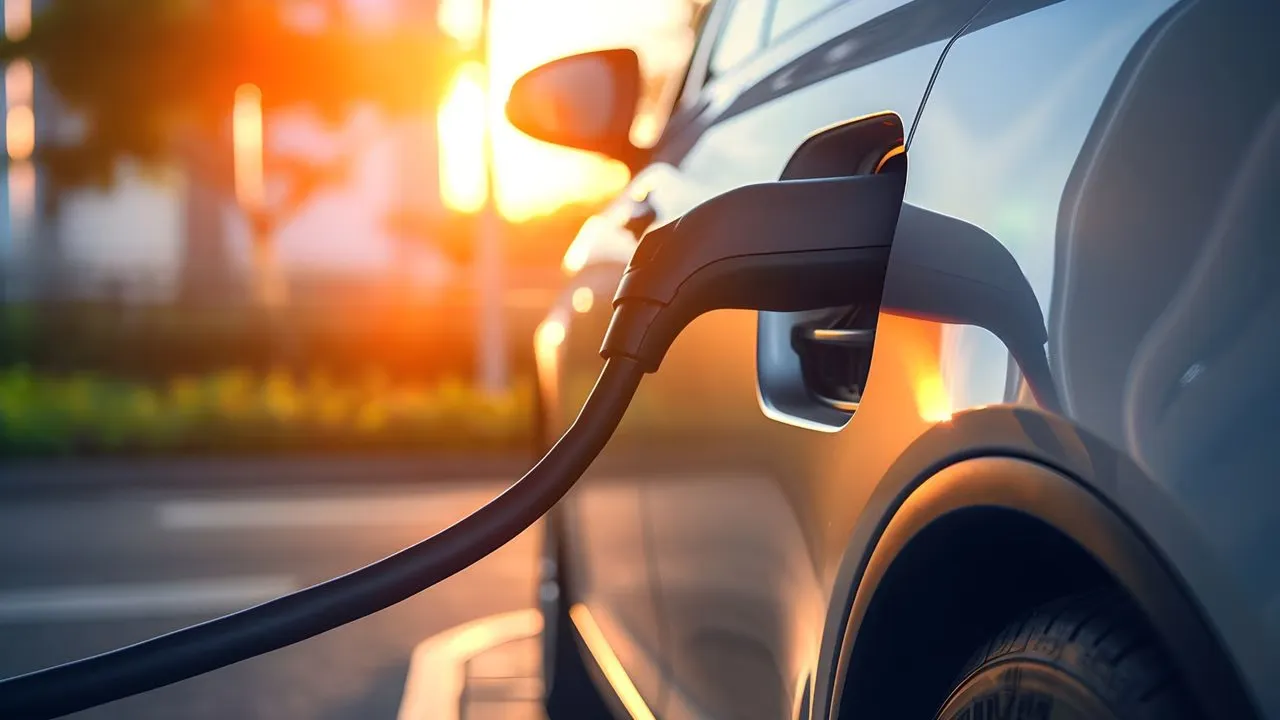
Electric Vehicle Adoption Rates and Trends: Battery Cost Reduction Driving EV Sales and Market Share
Over the past decade, the adoption of electric vehicles (EVs) has been steadily increasing, driven by various factors such as environmental concerns, government incentives, and technological advancements. One key factor that has played a significant role in the growth of EVs is the reduction in battery costs. As battery costs continue to decline, electric vehicle sales are soaring, and their market share is expanding rapidly.
Battery Cost Reduction: A Game-Changer for Electric Vehicles
When electric vehicles were first introduced, one of the major barriers to their widespread adoption was the high cost of batteries. However, as technology has advanced and economies of scale have been achieved, the cost of batteries has been steadily decreasing. According to BloombergNEF, the average cost of lithium-ion batteries has fallen by 87% since 2010, reaching an all-time low in 2020.
This reduction in battery costs has made electric vehicles more affordable for consumers, narrowing the price gap between EVs and traditional internal combustion engine vehicles. As a result, more people are now considering electric vehicles as a viable option for their transportation needs.
Electric Vehicle Sales on the Rise
The decline in battery costs has had a significant impact on electric vehicle sales. In recent years, we have witnessed a surge in the number of EVs being sold worldwide. According to the International Energy Agency (IEA), global electric vehicle sales reached a record 3.1 million units in 2020, representing a 41% increase compared to the previous year.
China has emerged as the largest market for electric vehicles, accounting for approximately 40% of global EV sales. The Chinese government’s strong support for EV adoption, including generous subsidies and incentives, has played a crucial role in driving the growth of the EV market in the country.
Europe is also experiencing a rapid increase in electric vehicle sales. In 2020, EV sales in Europe surpassed those in the United States for the first time. This shift can be attributed to the European Union’s stringent emission regulations and the availability of a wide range of electric vehicle models.
Expanding EV Market Share
As electric vehicle sales continue to rise, their market share is also expanding. In many countries, EVs are gradually gaining a larger portion of the overall automotive market. Norway, for example, has become a global leader in electric vehicle adoption, with EVs accounting for more than 50% of new car sales in 2020.
In the United States, electric vehicle market share is still relatively low compared to traditional vehicles. However, it is steadily increasing. According to the Edison Electric Institute, EV market share in the U.S. reached 2.6% in 2020, up from 1.9% in 2019. With the Biden administration’s commitment to promoting clean energy and reducing greenhouse gas emissions, it is expected that electric vehicle market share will continue to grow in the coming years.
The Future of Electric Vehicle Adoption
The reduction in battery costs has been a game-changer for electric vehicles, driving their sales and market share to new heights. As technology continues to advance and economies of scale further reduce battery costs, electric vehicles are likely to become even more affordable and attractive to consumers.
Furthermore, the growing awareness of climate change and the need to transition to cleaner transportation options will continue to fuel the adoption of electric vehicles. Governments around the world are implementing policies and incentives to encourage EV adoption, including subsidies, tax credits, and the development of charging infrastructure.
While challenges remain, such as the limited range of electric vehicles compared to traditional vehicles and the need for further advancements in charging infrastructure, the future of electric vehicle adoption looks promising. As battery costs continue to decline, electric vehicles will become more accessible to a wider range of consumers, leading to a cleaner and more sustainable transportation future.
- Electric vehicle sales are soaring as battery costs decline.
- Global EV sales reached a record 3.1 million units in 2020.
- China is the largest market for electric vehicles, followed by Europe.
- EV market share is expanding, with Norway leading the way.
- The future of electric vehicle adoption looks promising.