Electric Cars: Total Cost of Ownership in Commercial Sector
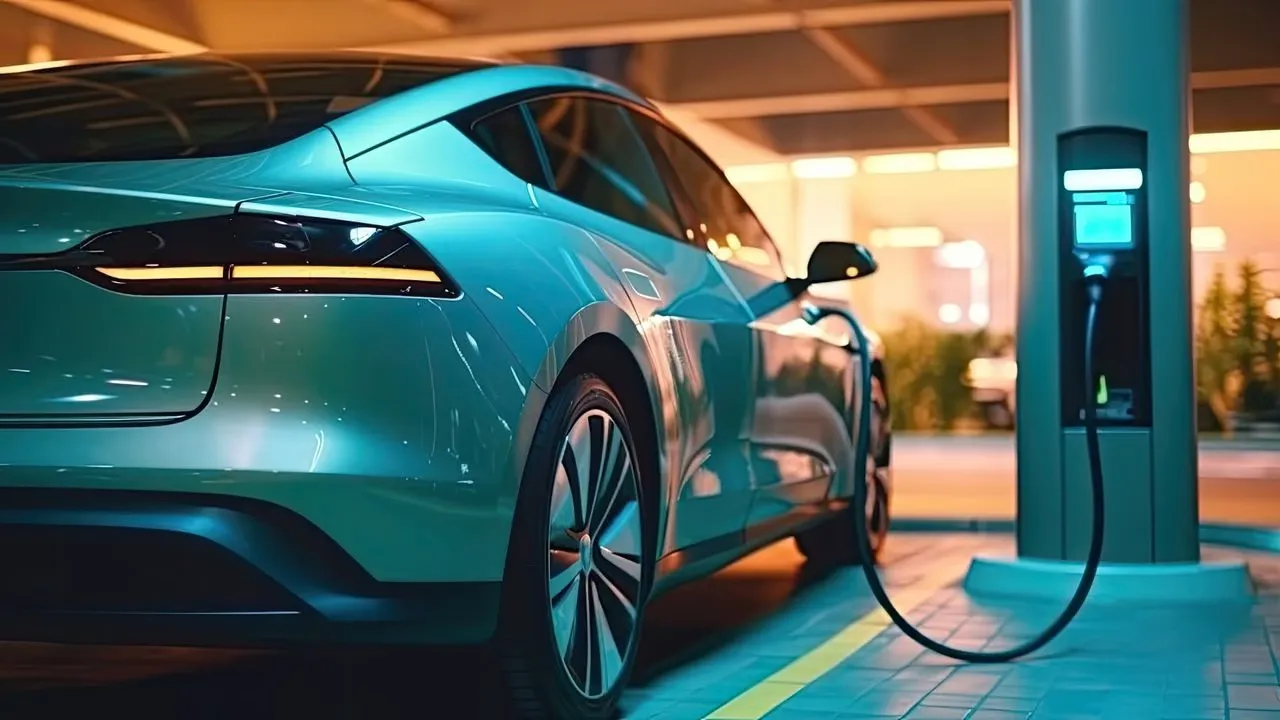
Electric Cars in the Commercial and Fleet Sector: A Game-Changer for Total Cost of Ownership
Electric vehicles (EVs) have been gaining significant traction in recent years, not only in the consumer market but also in the commercial and fleet sector. With advancements in technology and growing environmental concerns, businesses are increasingly considering the adoption of electric cars for their operations. In this article, we will explore the benefits of electric vehicles in the commercial and fleet sector, focusing on the total cost of ownership, the commercial EV market, and fleet vehicle efficiency.
Total Cost of Ownership: A Major Advantage
When it comes to evaluating the feasibility of electric cars in the commercial and fleet sector, the total cost of ownership plays a crucial role. While the upfront cost of purchasing an electric vehicle may be higher compared to conventional vehicles, the long-term savings are significant. Electric cars have lower maintenance and operating costs, thanks to fewer moving parts, no oil changes, and reduced wear and tear.
Moreover, the cost of electricity to charge an electric vehicle is considerably lower than the cost of gasoline or diesel fuel. This cost advantage becomes even more pronounced when considering the potential for renewable energy sources to power these vehicles, further reducing operational expenses.
The Commercial EV Market: Expanding Opportunities
The commercial EV market is experiencing rapid growth, with an increasing number of manufacturers offering electric vehicles tailored to the needs of businesses. From delivery vans to utility trucks, there is a wide range of electric options available for commercial use.
One of the key drivers of this growth is the push for sustainability and environmental responsibility. Many businesses are recognizing the importance of reducing their carbon footprint and are actively seeking ways to integrate electric vehicles into their fleets. Additionally, government incentives and regulations promoting the adoption of electric vehicles are further fueling the expansion of the commercial EV market.
Fleet Vehicle Efficiency: A Win-Win Situation
Efficiency is a critical factor for fleet vehicles, as it directly impacts operational costs and productivity. Electric cars offer several advantages in terms of fleet vehicle efficiency.
Firstly, electric vehicles have higher energy efficiency compared to internal combustion engine vehicles. This means that more of the energy stored in the battery is converted into actual propulsion, resulting in longer driving ranges and reduced charging requirements.
Secondly, electric vehicles can be equipped with telematics systems that provide real-time data on vehicle performance, battery status, and driver behavior. This information allows fleet managers to optimize routes, monitor energy consumption, and identify areas for improvement, ultimately increasing overall fleet efficiency.
In Conclusion
Electric cars are revolutionizing the commercial and fleet sector, offering numerous benefits such as lower total cost of ownership, expanding opportunities in the commercial EV market, and improved fleet vehicle efficiency. As technology continues to advance and charging infrastructure becomes more widespread, the adoption of electric vehicles in the commercial and fleet sector is expected to soar. Businesses that embrace this shift early on will not only contribute to a greener future but also reap the financial rewards of reduced operational expenses and increased efficiency.