Electric Cars Reshape City Streets Fast
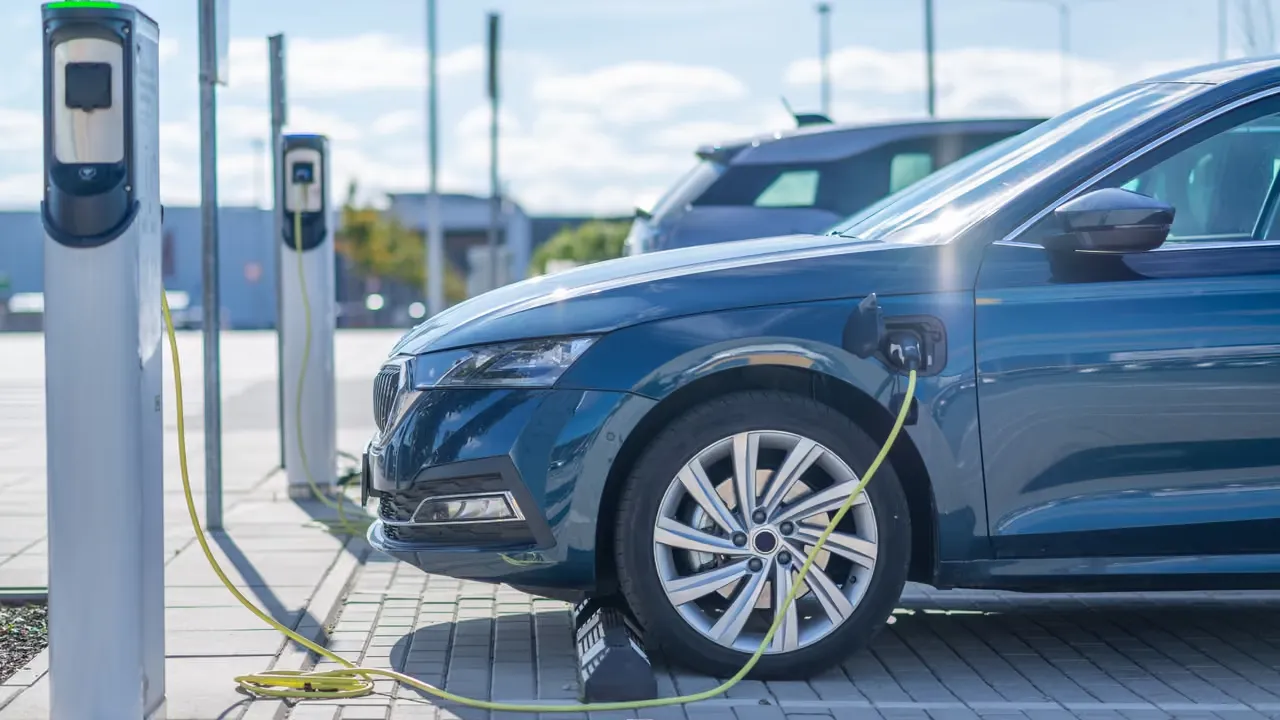
On many city streets today, the hum of electric cars is becoming as common as the rumble of combustion engines once was. This quiet revolution is more than just a shift in vehicle technology—it’s reshaping the very infrastructure of urban life. As electric cars (EVs) surge in popularity, cities are scrambling to adapt. Charging stations are popping up where gas pumps once ruled, smart grids are evolving to juggle new energy demands, and urban planners are rethinking the layout of streets and parking. The arrival of electric cars is changing not only how we get around but also how our cities breathe and sound.
Charging Stations The Backbone of Urban Electric Mobility
Electric cars need power, and that power comes from charging stations. Unlike gas stations, which are relatively few and spread out, EV charging points must be woven into the urban fabric at a much finer scale. This means installing chargers at homes, workplaces, parking garages, and public spaces. Cities like Amsterdam and Oslo are already well ahead, boasting dense networks of fast and slow chargers. But many urban areas are still playing catch-up.
One of the biggest challenges is space. Traditional gas stations occupy large lots, often on city outskirts. EV chargers, however, require integration into existing infrastructure. Street parking spaces, curbside spots, and underground garages are being retrofitted with charging points. This requires cooperation between city governments, utility companies, and private property owners.
Fast chargers, capable of delivering an 80% charge in under 30 minutes, are crucial for high-traffic areas and for users who can’t charge overnight. Meanwhile, slower chargers suffice for residential neighborhoods where cars park for hours. The mix of these charging options creates a patchwork that supports diverse urban lifestyles and travel habits.
Smart Grids and Energy Management for Electric Vehicles
Charging tens of thousands of electric cars isn’t just a matter of plugging in; it’s about managing energy flow intelligently. Traditional electrical grids aren’t designed for the unpredictable, high-volume demand EVs introduce. This is where smart grids come in—power networks equipped with sensors, real-time data, and automated controls to balance supply and demand.
Smart grids help avoid overloads during peak hours by staggering charging times or redirecting power from renewable sources like solar and wind. Vehicle-to-grid (V2G) technology allows EVs to act as temporary energy storage, feeding electricity back to the grid when demand spikes. This two-way energy exchange transforms cars from mere consumers to active participants in urban energy ecosystems.
Energy management platforms also enable dynamic pricing, encouraging drivers to charge during off-peak hours. This not only reduces strain on the grid but also lowers costs for consumers. Cities investing in these technologies can support larger EV fleets without massive infrastructure upgrades, smoothing the transition to electric mobility.
Redesigning City Spaces to Accommodate Electric Car Growth
Urban planning is undergoing a quiet revolution fueled by electric vehicles. City streets, once designed around gas-powered cars, must now accommodate the unique needs of EVs. This means more than just installing chargers; it’s about rethinking parking, traffic flow, and public spaces.
Many cities are converting traditional parking spots into EV-only zones equipped with charging facilities. This prioritization nudges drivers toward electric options while addressing the inconvenience of finding a charger. Some places are experimenting with curbside charging hubs that double as social spaces or green corridors, blending functionality with urban livability.
Additionally, the quietness and emissions-free nature of electric cars invite a reimagining of street use. Reduced noise pollution encourages the creation of pedestrian-friendly zones and bike lanes, shifting the balance from car dominance to multi-modal transportation. The integration of EVs with public transit—through park-and-ride EV charging lots, for example—also changes commuting patterns and reduces inner-city congestion.
Impact of Electric Cars on Urban Air Quality and Noise Levels
One of the most visible benefits of electric cars in cities is cleaner air. Without tailpipe emissions, EVs reduce pollutants like nitrogen oxides and particulate matter that contribute to smog and respiratory problems. In cities struggling with poor air quality, the shift to electric vehicles can mean fewer asthma attacks, less cardiovascular disease, and better overall public health.
Noise pollution also takes a hit. Electric motors operate quietly compared to internal combustion engines, especially at low speeds. This drop in noise levels transforms the urban soundscape, making streets more pleasant and less stressful for residents. However, it also raises safety concerns for pedestrians and cyclists who may not hear approaching vehicles, prompting cities to consider artificial noise generators on EVs at low speeds.
The net effect of these changes is a healthier, more livable city environment. Cleaner air and quieter streets improve quality of life and even property values. But these benefits depend on continued investment in electric infrastructure and policies that promote EV adoption.