Electric Cars in the Commercial Fleet Sector: Benefits & Costs
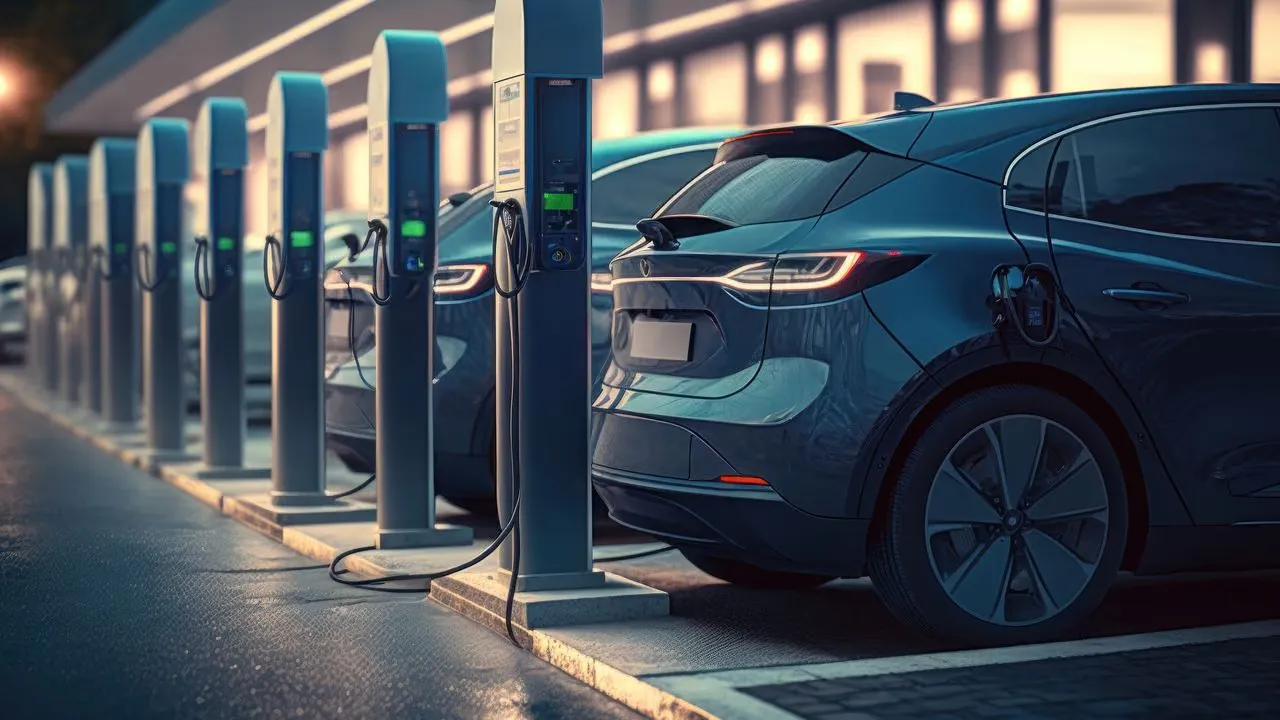
Electric Cars in the Commercial and Fleet Sector: Exploring Total Cost of Ownership, Fleet Vehicle Emissions, and Fleet Electrification Benefits
Electric vehicles (EVs) have gained significant popularity in recent years, not only among individual consumers but also in the commercial and fleet sector. As businesses and organizations strive to reduce their carbon footprint and embrace sustainable practices, electric cars have emerged as a viable solution. In this article, we will delve into the total cost of ownership, fleet vehicle emissions, and the numerous benefits of fleet electrification.
Total Cost of Ownership
When considering the adoption of electric cars in the commercial and fleet sector, one of the key factors to analyze is the total cost of ownership (TCO). While the upfront cost of electric vehicles may be higher than their gasoline-powered counterparts, the long-term savings can be substantial.
Electric cars have fewer moving parts, which means reduced maintenance and repair costs. Additionally, electricity is generally cheaper than gasoline, resulting in lower fuel expenses. Over the lifespan of an electric vehicle, these savings can offset the initial investment, making EVs a financially sound choice for fleet operators.
Fleet Vehicle Emissions
Reducing greenhouse gas emissions is a pressing concern for businesses and organizations worldwide. Fleet vehicles, often covering significant distances, contribute to air pollution and climate change. Electric cars offer a cleaner alternative, as they produce zero tailpipe emissions.
By transitioning to electric vehicles, fleet operators can significantly reduce their carbon footprint and contribute to a healthier environment. This shift not only aligns with corporate social responsibility goals but also helps meet regulatory requirements related to emissions reduction.
Fleet Electrification Benefits
The benefits of fleet electrification extend beyond cost savings and emissions reduction. Let’s explore some of the advantages:
1. Lower Operating Costs:
As mentioned earlier, electric vehicles have lower operating costs due to reduced maintenance and fuel expenses. This can lead to substantial savings for fleet operators, allowing them to allocate resources to other areas of their business.
2. Energy Independence:
By transitioning to electric vehicles, fleet operators can become less reliant on fossil fuels. With the ability to generate electricity from renewable sources such as solar or wind, businesses can achieve energy independence and reduce their exposure to fluctuating fuel prices.
3. Improved Public Image:
Embracing electric cars in the commercial and fleet sector demonstrates a commitment to sustainability and environmental stewardship. This can enhance a company’s public image and attract environmentally conscious customers and partners.
4. Government Incentives:
Many governments worldwide offer incentives to promote the adoption of electric vehicles. These incentives can include tax credits, grants, and subsidies, further reducing the total cost of ownership and making fleet electrification an even more attractive option.
5. Enhanced Driver Experience:
Electric vehicles offer a smooth and quiet driving experience, contributing to driver satisfaction. Additionally, EVs often come equipped with advanced technologies and features, making them a desirable choice for fleet drivers.
6. Future-Proofing:
The automotive industry is rapidly evolving, with a growing focus on sustainable transportation. By embracing electric cars in the commercial and fleet sector, businesses can future-proof their operations and stay ahead of regulatory changes and market trends.
Overall, the adoption of electric cars in the commercial and fleet sector brings numerous benefits, including cost savings, emissions reduction, improved public image, and access to government incentives. As technology continues to advance and the EV infrastructure expands, the case for fleet electrification becomes even stronger. By making the switch to electric vehicles, businesses can drive positive change and contribute to a greener and more sustainable future.