Electric Cars in the Commercial and Fleet Sector: A Green Revolution
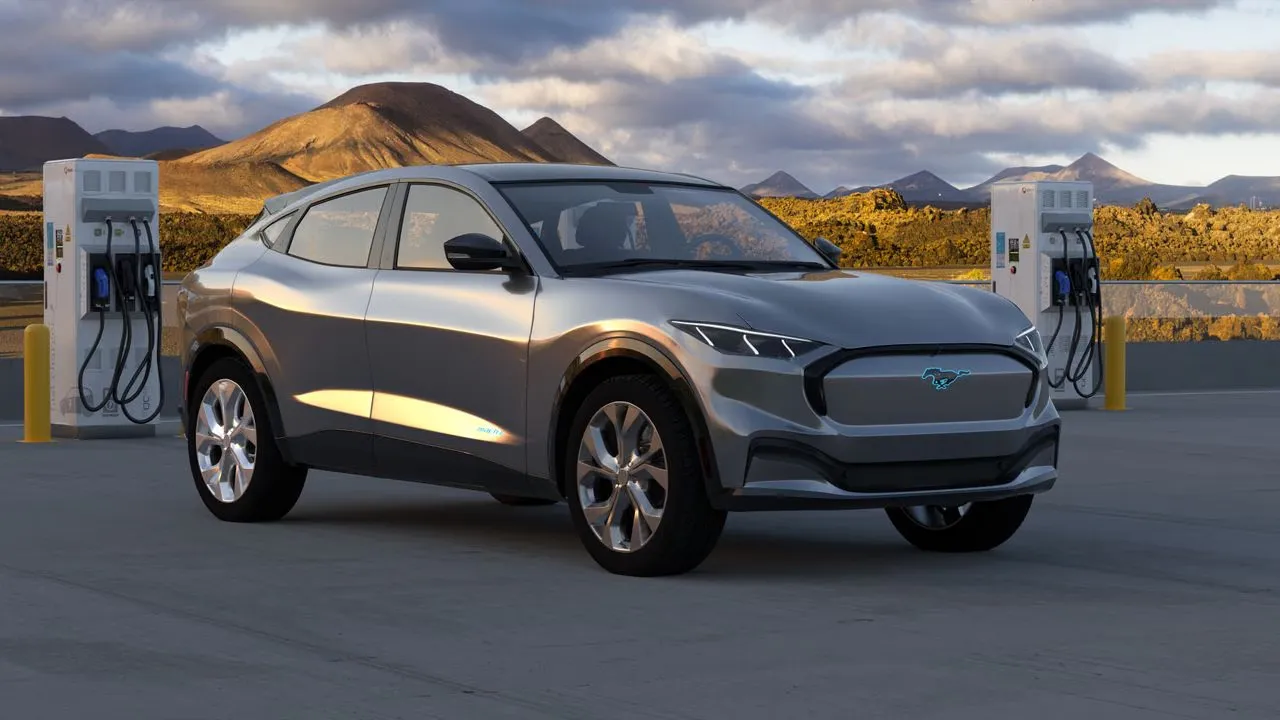
Electric Cars in the Commercial and Fleet Sector: A Game-Changer for the Environment and Businesses
Electric cars have been gaining popularity in recent years, and their benefits extend beyond individual drivers. The commercial and fleet sector is also embracing the transition to electric vehicles (EVs), with electric taxis and fleet vehicles becoming more common on our roads. This shift not only contributes to a greener environment but also offers numerous advantages for businesses.
The Rise of Electric Taxis
Electric taxis are becoming a familiar sight in cities around the world. These eco-friendly vehicles offer a range of benefits for both drivers and passengers. For drivers, the low operating costs of electric taxis make them an attractive option. Charging an electric taxi is significantly cheaper than refueling a traditional gasoline or diesel-powered vehicle. Additionally, electric taxis often require less maintenance, resulting in reduced downtime and lower maintenance costs.
Passengers also benefit from electric taxis. Electric vehicles are known for their quiet operation, providing a more peaceful and enjoyable ride. Moreover, electric taxis produce zero tailpipe emissions, contributing to cleaner air quality in urban areas. This is particularly important for densely populated cities that struggle with pollution problems.
Fleet Charging Infrastructure
As more businesses incorporate electric vehicles into their fleets, the need for a reliable and efficient charging infrastructure becomes paramount. Fleet charging infrastructure refers to the network of charging stations specifically designed to meet the demands of commercial and fleet vehicles.
Installing charging stations at strategic locations, such as depots or parking lots, allows fleet vehicles to charge conveniently during downtime. This ensures that the vehicles are ready for use when needed, eliminating range anxiety and maximizing efficiency.
Businesses that invest in fleet charging infrastructure can also take advantage of smart charging solutions. These systems optimize charging schedules to minimize energy costs and reduce strain on the electrical grid. By charging during off-peak hours or when electricity rates are lower, businesses can save on energy expenses and support a more sustainable energy grid.
Fleet Vehicle Efficiency
Electric fleet vehicles offer significant advantages in terms of efficiency. Electric motors are more energy-efficient than internal combustion engines, resulting in lower energy consumption per mile. This translates into cost savings for businesses, reducing their overall operational expenses.
In addition to energy efficiency, electric fleet vehicles often have longer lifespans compared to their gasoline or diesel counterparts. Electric motors have fewer moving parts, reducing the likelihood of mechanical failures and the need for frequent repairs. This not only saves businesses money but also minimizes vehicle downtime, ensuring that fleet operations run smoothly.
Furthermore, electric fleet vehicles can be integrated with telematics systems, providing businesses with valuable data on vehicle performance and driver behavior. This data can be used to optimize routes, improve driving habits, and enhance overall fleet management.
In Conclusion
The adoption of electric cars in the commercial and fleet sector is a game-changer for both the environment and businesses. Electric taxis offer cost savings for drivers and a more pleasant experience for passengers, while fleet charging infrastructure ensures convenient and efficient charging for commercial vehicles. Electric fleet vehicles provide businesses with increased efficiency, reduced maintenance costs, and valuable data for optimization. As the transition to electric vehicles continues, the commercial and fleet sector is poised to reap the benefits of a greener and more sustainable future.