Electric Cars: Driving Towards Sustainability
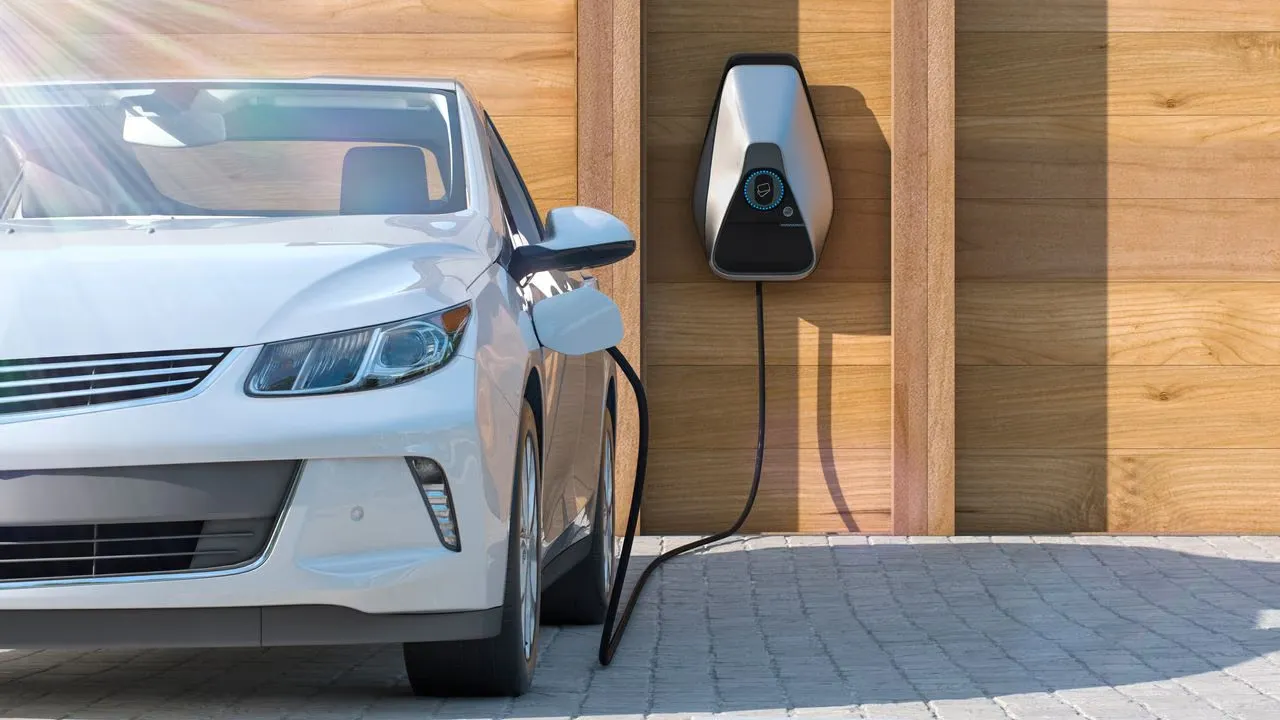
Overview of Electric Cars: Driving Towards a Sustainable Future
Electric cars have revolutionized the automotive industry, offering a cleaner and more sustainable alternative to traditional gasoline-powered vehicles. With their electric motors and reliance on renewable energy, these vehicles are paving the way for a greener future.
The Power of Electric Motors
At the heart of an electric car lies its electric motor. Unlike internal combustion engines found in conventional cars, electric motors are powered by electricity, eliminating the need for fossil fuels. This not only reduces greenhouse gas emissions but also makes electric cars more energy-efficient.
Electric motors have several advantages over their gasoline counterparts. They provide instant torque, allowing for quick acceleration and a smooth driving experience. Additionally, electric motors have fewer moving parts, resulting in reduced maintenance costs and a longer lifespan for the vehicle.
Embracing Renewable Energy
One of the key benefits of electric cars is their ability to utilize renewable energy sources. By charging their batteries with electricity generated from renewable sources such as solar or wind power, electric cars can significantly reduce their carbon footprint.
Renewable energy is an abundant and sustainable resource that can power our transportation needs without depleting the Earth’s natural resources. By shifting towards electric cars and renewable energy, we can reduce our dependence on fossil fuels and mitigate the environmental impact of transportation.
A Sustainable Transportation Solution
Electric cars offer a sustainable transportation solution that aligns with our efforts to combat climate change and reduce air pollution. By transitioning from gasoline-powered vehicles to electric cars, we can make significant progress in achieving a greener and cleaner future.
One of the key advantages of electric cars is their zero tailpipe emissions. Unlike conventional cars that release harmful pollutants into the air, electric cars produce no exhaust emissions, improving air quality and reducing the health risks associated with pollution.
Moreover, electric cars contribute to a quieter and more peaceful environment. With their silent electric motors, these vehicles reduce noise pollution, making our cities and neighborhoods more pleasant places to live.
The Road Ahead
While electric cars have gained significant popularity in recent years, there are still challenges to overcome. The limited range of electric vehicles and the availability of charging infrastructure are two key areas that require attention.
However, as technology advances and the demand for electric cars grows, these challenges are being addressed. The development of more efficient batteries and the expansion of charging networks are making electric cars a viable option for an increasing number of people.
In conclusion, electric cars powered by electric motors and fueled by renewable energy sources are driving us towards a more sustainable future. With their environmental benefits, energy efficiency, and potential for reducing our dependence on fossil fuels, electric cars are reshaping the automotive industry and paving the way for a greener and cleaner world.