Charge Smarter with Next Gen Grids
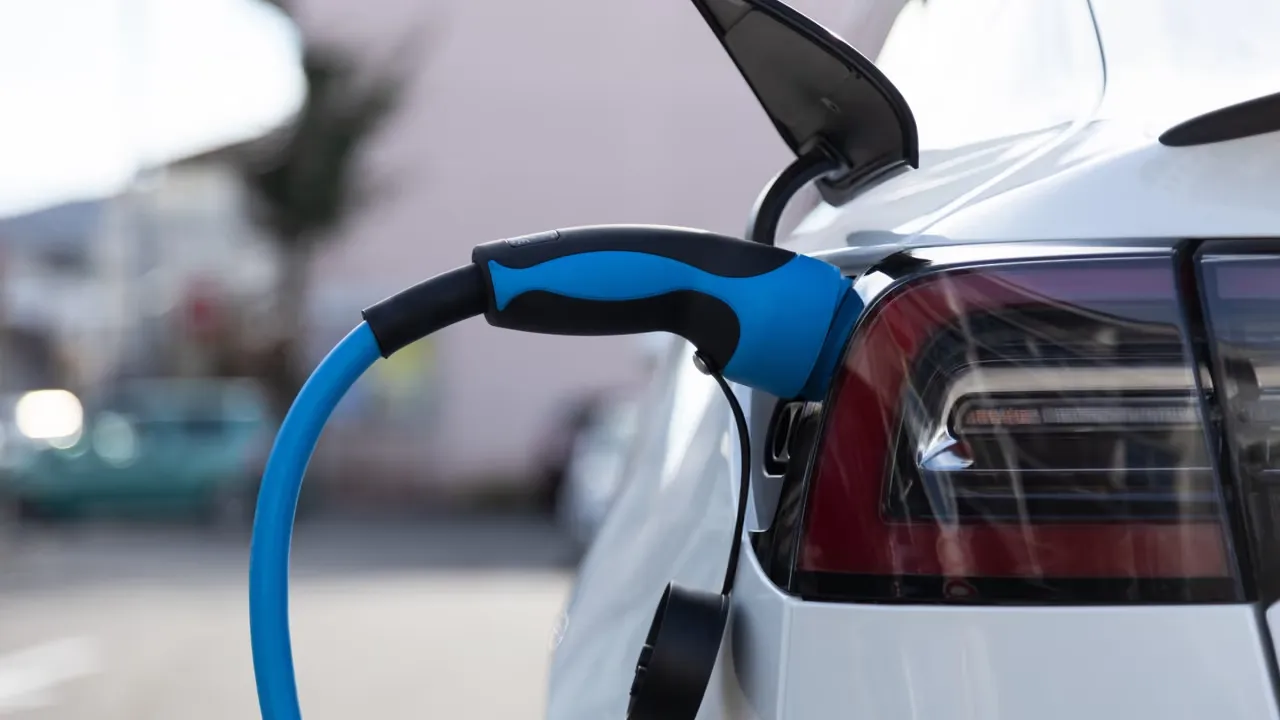
Electric vehicle (EV) charging has come a long way from simple plug-in stations to highly sophisticated systems that interact dynamically with the power grid. This evolution is largely driven by the integration of smart grid technology, which is transforming how we charge EVs—not just in speed and cost but in sustainability and energy management. The traditional model of EV charging is giving way to a future where cars and grids communicate intelligently, optimizing energy use for the benefit of consumers and the environment alike.
Understanding Smart Grids and Their Role in Energy Distribution
At its core, a smart grid is an electricity network enhanced with digital communication technology that monitors and manages the transport of electricity from all generation sources to meet the varying electricity demands of end users. Unlike the old grid systems, which operate on a one-way flow of electricity, smart grids enable two-way communication between utilities and consumers.
This bidirectional flow means that smart grids can gather real-time data on energy consumption, predict demand spikes, and adjust supply accordingly. For EV charging, this is a game-changer. Instead of plugging in and charging whenever, smart grids enable charging stations to optimize when and how they draw power, reducing strain on the grid and making the entire process more efficient.
The Impact of Smart Grid Integration on EV Charging Times and Costs
One of the most immediate benefits of smart grid integration is the potential to reduce EV charging times and costs. Smart grids can orchestrate demand response strategies, shifting charging to off-peak hours when electricity is cheaper and more abundant. This not only lowers the cost for EV owners but also prevents grid overload during peak hours.
Dynamic pricing models facilitated by smart grids further incentivize users to charge their vehicles at optimal times. For example, if you charge your EV late at night when demand is low, you might pay significantly less than during the early evening rush. This flexibility also allows utilities to balance the load and avoid expensive infrastructure upgrades that would otherwise be needed to handle peak demand.
Additionally, smart grids enable vehicle-to-grid (V2G) technologies, where EVs can feed electricity back into the grid during peak demand. This bidirectional flow can help stabilize the grid and potentially earn EV owners credits or payments, turning idle vehicles into valuable energy assets.
Enhancing Sustainability Balancing Demand and Renewable Energy Use
Smart grids are critical for integrating renewable energy sources like solar and wind, which are inherently variable and unpredictable. EV charging, when unmanaged, risks increasing fossil fuel dependency if vehicles are charged during times when renewable output is low. Smart grids address this by aligning EV charging schedules with periods of high renewable energy generation.
For instance, if a neighborhood solar farm produces excess energy during the afternoon, smart grid-enabled chargers can ramp up EV charging to soak up that clean power. This load balancing helps reduce reliance on fossil fuel plants and lowers overall carbon emissions.
By synchronizing EV charging with renewable energy availability, smart grids make it feasible to run entire fleets of electric vehicles on green power. This synergy is vital for cities and regions aiming to meet aggressive climate goals while expanding EV adoption.
Future Prospects How Smart Grids Will Shape the EV Charging Landscape
The future of EV charging is intertwined with the evolution of smart grids. As both technologies mature, we can expect a more decentralized and resilient energy ecosystem:
- More intelligent charging infrastructure: Chargers will become increasingly aware of grid conditions, weather patterns, and user habits, automatically adjusting charging speeds and times for maximum efficiency.
- Integration with home energy systems: Smart homes equipped with solar panels, battery storage, and EV chargers will interact seamlessly with the grid, optimizing energy flows to minimize costs and emissions.
- Expansion of V2G networks: EVs won’t just consume energy; they’ll become active participants in energy markets, providing ancillary services like frequency regulation and emergency backup power.
- Enhanced data analytics: Utilities and consumers will leverage big data to forecast demand with greater accuracy, plan infrastructure upgrades, and customize pricing models.
As smart grids become the backbone of electric mobility, EV charging will no longer be a passive activity but an integrated part of a dynamic energy ecosystem. This shift will bring benefits not only in convenience and cost savings but also in reducing our environmental footprint in a tangible, scalable way.