Can Repair Shops Survive the EV Shift
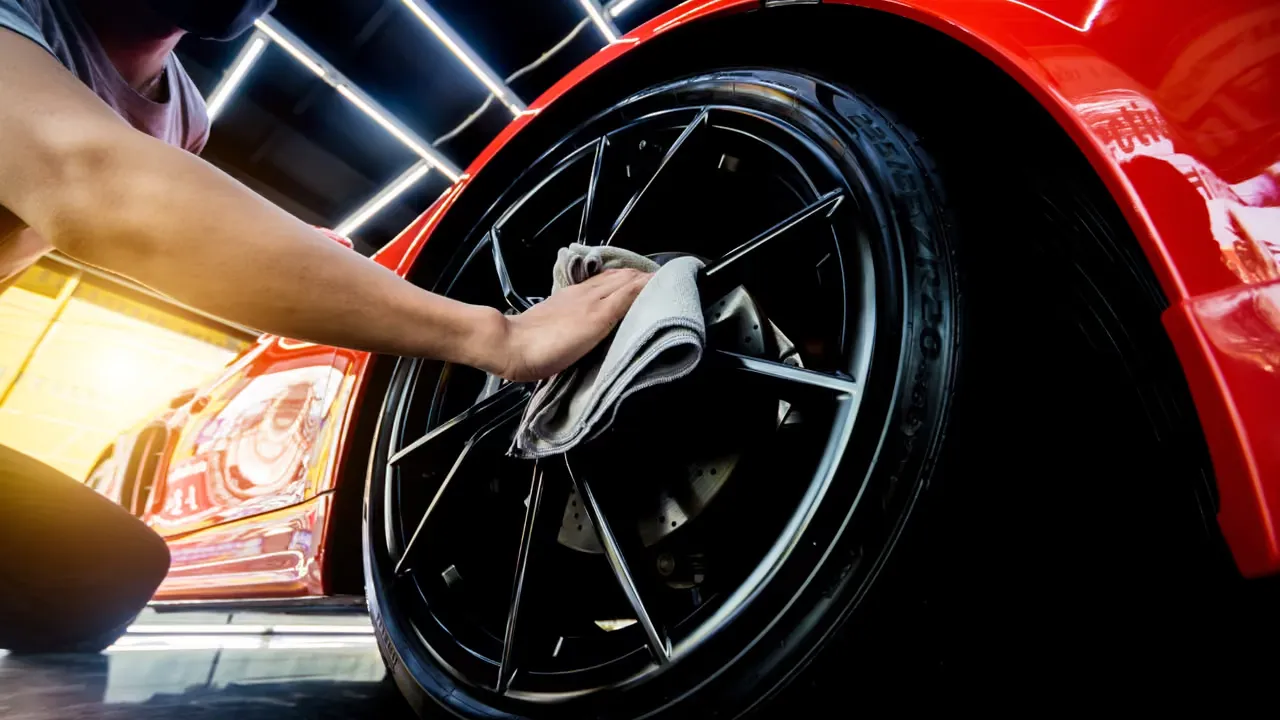
What happens to the world of car repair when the engine disappears? Electric cars are rapidly transforming more than just the way we drive—they’re rewriting the rulebook for automotive maintenance and repair. As gasoline engines give way to electric motors and batteries, repair shops and mechanics face a profound shift that challenges their skills, tools, and business models.
The changing landscape of car maintenance with electric vehicles
Traditional cars are complex beasts under the hood, packed with hundreds of moving parts that require regular attention—oil changes, spark plugs, timing belts, exhaust systems, and so on. Electric vehicles (EVs), by contrast, have far fewer moving parts. The absence of an internal combustion engine means no oil to change, no spark plugs to replace, and no exhaust system to maintain.
This simplicity in design changes the nature of maintenance drastically. Brake wear decreases thanks to regenerative braking systems that use the electric motor to slow the car, which means brake pads and rotors last longer. Cooling systems are still necessary, but the focus shifts to battery thermal management rather than engine temperature control. Tire wear remains the same, but the overall frequency and types of service visits drop.
For drivers, this means a reduction in routine maintenance costs and visits. For the repair industry, it means fewer traditional repair tasks and a need to pivot towards new areas of expertise and service offerings.
Skills and tools What mechanics need to adapt
Mechanics trained on combustion engines find themselves needing to learn an entirely new skill set. High-voltage electrical systems require rigorous safety training and certifications to handle EV components safely. Diagnosing issues moves from mechanical tinkering to software troubleshooting and battery health analysis.
Tools that were staples in garages—like wrenches and engine hoists—are now joined or replaced by diagnostic scanners specialized for EV systems, insulation testers for high-voltage circuits, and thermal imaging cameras to monitor battery performance. EV repair also demands familiarity with software updates and complex electronic control units that communicate with the vehicle and even with manufacturers remotely.
Many repair shops have started investing heavily in training programs and new equipment. Independent garages face the challenge of balancing the cost of this investment against the growing but still limited EV market share in many regions. Meanwhile, dealerships often lead the way, leveraging manufacturer partnerships to access proprietary diagnostic tools and software.
Economic impact on repair shops and service centers
The shift to electric vehicles is reshaping the economic landscape of car repair. On one hand, EVs require fewer routine repairs and less frequent servicing, which could mean reduced revenue streams for traditional repair shops. On the other hand, the complexity of EV systems opens opportunities for specialized services, particularly in battery maintenance, electrical diagnostics, and software updates.
Repair shops that fail to adapt risk losing customers as EV ownership rises. Shops that embrace the change stand to gain by positioning themselves as trusted EV service centers. Some are even partnering with battery recycling companies or developing expertise in EV-specific areas like motor replacement or battery refurbishment.
The aftermarket parts industry is also affected. Traditional parts like filters, belts, and spark plugs become obsolete for EVs, while demand grows for electric-specific components and software licenses. This shift challenges suppliers to innovate and diversify their offerings.
Future trends How the industry is preparing for an electric future
The trajectory is clear: EV adoption will only accelerate, pushing the repair and maintenance industry to evolve rapidly. We’re already seeing new career pathways emerge, such as EV-certified technicians and battery specialists. Educational institutions are updating curricula to include electric drivetrain technologies and high-voltage safety courses.
- Remote diagnostics and over-the-air updates: As EVs become more connected, many issues can be diagnosed or fixed via software updates, reducing the need for physical service visits.
- Battery repair and recycling: Battery packs are costly, and extending their lifespan or refurbishing components will become a critical service.
- Mobile EV service units: Some companies are experimenting with mobile repair units equipped to handle EV-specific tasks on the spot, reducing downtime for drivers.
- Standardization and collaboration: Industry groups and manufacturers are working towards common standards for EV repair to streamline training and parts availability.
Electric vehicles are more than just a new type of car. They represent a fundamental change in how vehicles are built, maintained, and repaired. For the automotive repair industry, survival means adaptation—embracing new technologies, retraining workers, and rethinking traditional business models. Those who do will find themselves at the forefront of a cleaner, quieter, and electrified future.