Best Times to Charge Your Electric Vehicle
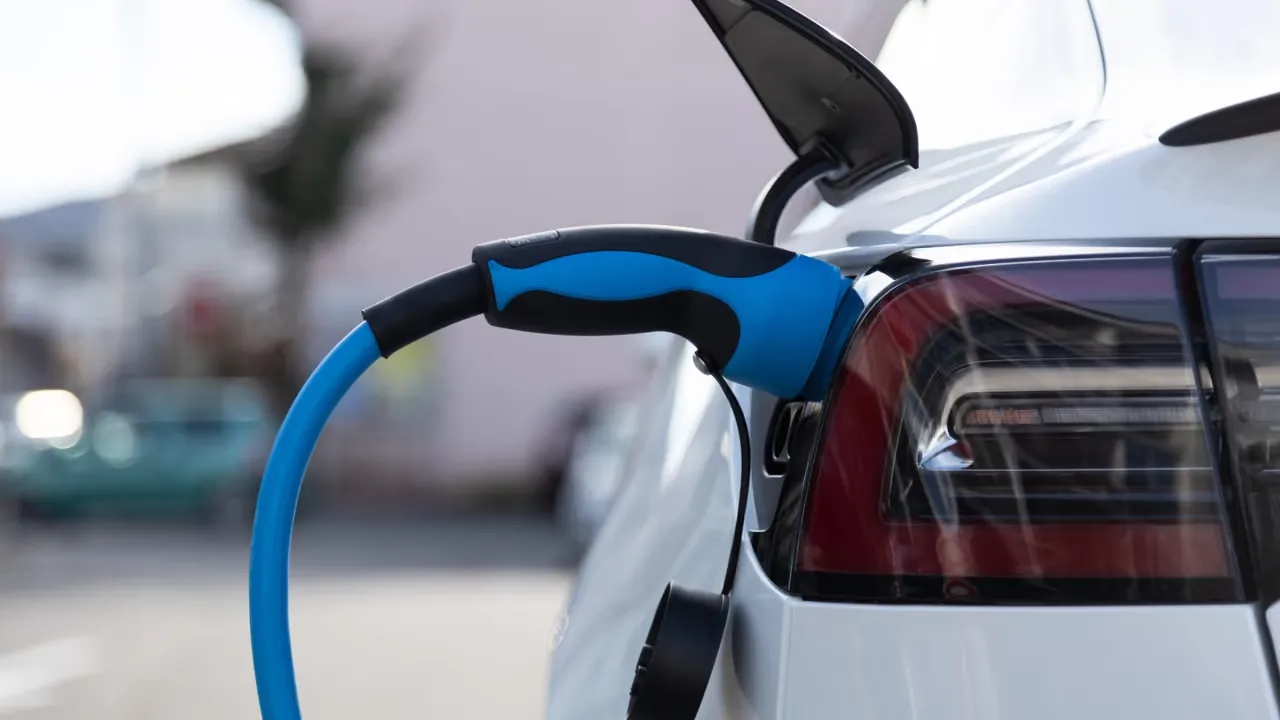
How can you make your home electric vehicle charging setup both energy-efficient and cost-effective? As more drivers switch to electric vehicles, optimizing residential EV charging stations has become a smart move not just for the environment, but for your wallet as well. Let’s break down how understanding demand patterns, leveraging smart technology, and taking advantage of incentives can transform your charging routine.
Understanding Residential EV Charging Demand Patterns
Before diving into technical solutions, it’s crucial to grasp when and how your EV actually needs power. Most residential EV charging happens overnight, taking advantage of the vehicle’s downtime. However, this isn’t a one-size-fits-all situation. Your daily driving habits, work schedule, and even household energy use shape your charging demand.
For instance, if you drive a moderate distance each day, you might only need to charge for a few hours, which opens up opportunities to schedule charging during off-peak energy hours. Conversely, if you have a longer commute or multiple EVs in the same household, your charging demand spikes and requires a more tailored approach.
Paying attention to your EV’s battery capacity and state of charge also matters. Charging from 20% to 80% is often more efficient and healthier for the battery than topping off to 100% every single time. This subtle shift in charging habits can reduce energy waste and extend battery life.
Smart Charging Technologies to Maximize Efficiency
Smart chargers are game changers when it comes to optimizing residential EV charging. Unlike basic plug-in chargers, smart chargers communicate with your home’s electrical system and the grid, adapting the charging rate based on demand, energy prices, and even renewable energy availability.
Many smart chargers come with apps that let you schedule charging windows, monitor energy consumption in real-time, and set limits to prevent overcharging. Some models can dynamically adjust charging speed if your home is drawing power from other appliances, preventing circuit overload and reducing peak demand charges.
Load management features are especially useful for households with multiple EVs. These systems balance the power delivered to each vehicle, ensuring that all cars get charged efficiently without exceeding your home’s electrical capacity.
Integrating your EV charger with home energy management systems or solar panels takes efficiency to the next level. When your rooftop solar is generating excess power during the day, a smart charger can prioritize using that clean energy for your EV, cutting down reliance on grid electricity and lowering your carbon footprint.
Incentives and Tariffs When to Charge Your EV to Save Money
Knowing when to plug in your EV can save you more than just energy—it can save you money too. Many utility companies offer time-of-use (TOU) rates that charge lower prices during off-peak hours, typically late at night or early morning. Aligning your charging schedule with these periods can significantly reduce your electricity bill.
It’s worth checking with your local utility to see if they provide special EV tariffs. Some offer discounts or rebates on home charger installation, while others incentivize shifting load away from peak times through credits or reduced rates.
Additionally, federal and state incentives can offset the upfront costs of installing a residential EV charging station. These programs often include tax credits or rebates that make investing in smart charging technology more affordable.
Remember, the key is to combine these incentives with smart usage. Simply having a charger won’t guarantee savings; charging during the right times and managing your consumption actively will.
Future Trends in Residential EV Charging Integration
The future of residential EV charging looks increasingly connected and intelligent. Vehicle-to-grid (V2G) technology, for example, allows EVs not only to draw power from the grid but also to send electricity back during peak demand times. This could help stabilize the grid and even generate income for EV owners.
Advancements in battery storage and renewable integration mean homes could become mini power hubs, storing solar energy or charging EVs when renewable sources peak, then discharging energy back to the home or grid when needed.
Another emerging trend is dynamic pricing models that react in real-time to grid conditions, encouraging ultra-flexible charging patterns. Smart chargers will increasingly use AI to predict the best times to charge, factoring in weather, driving habits, and energy market fluctuations.
As these technologies mature, residential EV charging will become not just a convenience, but a critical component of sustainable energy ecosystems, blending efficiency with economic benefits seamlessly.