Battery Tech Drives EV Revolution
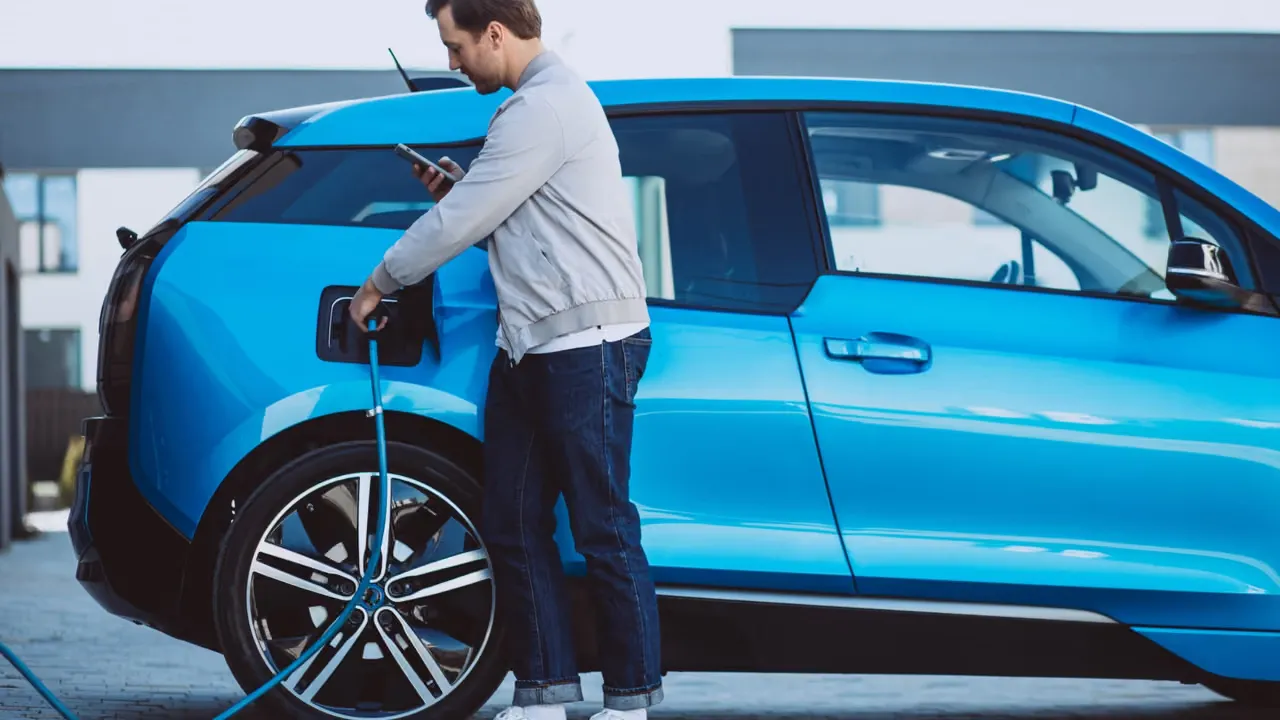
Electric cars have moved far beyond being just a choice for early adopters and environmentalists. Thanks to fast progress in battery technology, they are now more affordable and efficient. This shift is changing the car world in ways few imagined just ten years ago.
The Evolution of Battery Chemistry and Its Impact on Performance
Battery technology has always been the heart of electric vehicle (EV) progress. Early electric cars used lead-acid or nickel-metal hydride batteries. These were heavy, costly, and gave only a short driving range. The arrival of lithium-ion batteries changed everything. They offered much higher energy density, letting drivers go farther on a single charge.
Since lithium-ion batteries hit the market, scientists and engineers have kept improving their makeup to boost capacity, lifespan, and charging speed. For example, switching from lithium cobalt oxide to lithium nickel manganese cobalt oxide (NMC) and lithium iron phosphate (LFP) batteries made them more stable and cheaper. These changes mean electric cars now travel longer distances, charge quicker, and last more years.
To put it in perspective, a decade ago, many EVs struggled to reach 100 miles on a charge. Today, models regularly exceed 250 miles, with some pushing past 350 miles. This leap comes directly from better battery chemistry and smarter design.
Cost Reductions Through Innovative Manufacturing Processes
Battery packs have always made up a big chunk of an electric car’s price. But thanks to mass production and clever factory methods, costs have dropped sharply. Back in 2010, battery packs cost about $1,100 per kilowatt-hour (kWh). Now, many makers are below $100 per kWh, putting electric cars on par with gas-powered ones in price.
One major reason for these savings is the rise of automation in battery assembly. Robots with high precision now do jobs that humans once handled. This cuts labor costs and reduces mistakes. On top of that, better electrode coating, cell design, and recycling of materials have trimmed expenses without losing quality.
- New electrode materials use less expensive metals, lowering raw material costs.
- Improved electrolyte formulas help batteries last longer before they wear out.
- More efficient supply chains reduce shipping delays and procurement expenses.
These improvements mean manufacturers can build batteries—and electric cars—more cheaply. Those savings often get passed on to buyers, making EVs more accessible.
The Role of Solid-State Batteries in Enhancing Safety and Range
While lithium-ion batteries have improved steadily, the real breakthrough on the horizon is solid-state batteries. Instead of using liquid or gel electrolytes like current batteries, solid-state batteries use a solid material. This change brings several big benefits.
- Safety Solid electrolytes are much less likely to catch fire. This reduces the risk of dangerous battery fires and thermal runaway.
- Energy Density Solid-state batteries can pack more energy into the same space. This means cars can drive much farther without needing a recharge.
- Charging Speed They can handle faster charging without wearing out quickly, cutting down wait times for drivers.
Some car makers and startups are already testing solid-state battery prototypes. But mass production is still a few years away. When these batteries become widely available, electric cars will be safer and better suited for long trips.
For example, a solid-state battery could allow an EV to add 200 miles of range in just 15 minutes of charging—a game changer for road trips and daily use alike.
Future Prospects What Battery Breakthroughs Mean for Electric Car Adoption
Battery innovation is pushing toward a future where electric cars rule the roads. As prices keep falling and performance keeps rising, old worries like range anxiety, long charging times, and high upfront costs are fading.
New technologies like silicon anodes and lithium-sulfur batteries promise even bigger jumps in capacity. Silicon anodes can store more lithium ions than traditional graphite, potentially doubling battery capacity. Lithium-sulfur batteries, still in development, could offer lighter, cheaper batteries with much higher energy density.
At the same time, advances in recycling and second-life uses for EV batteries tackle environmental concerns. Old batteries can be repurposed for home energy storage or recycled to recover valuable materials, making electric vehicles truly green choices.
Governments and companies worldwide are pouring money into battery research and charging infrastructure. This investment fuels competition and speeds up innovation, creating a cycle that benefits drivers and the planet.
Electric cars are no longer just about cleaner transport. They are reshaping how we think about energy storage, mobility, and our responsibility to the environment.