Are Electric Cars Truly Eco Friendly
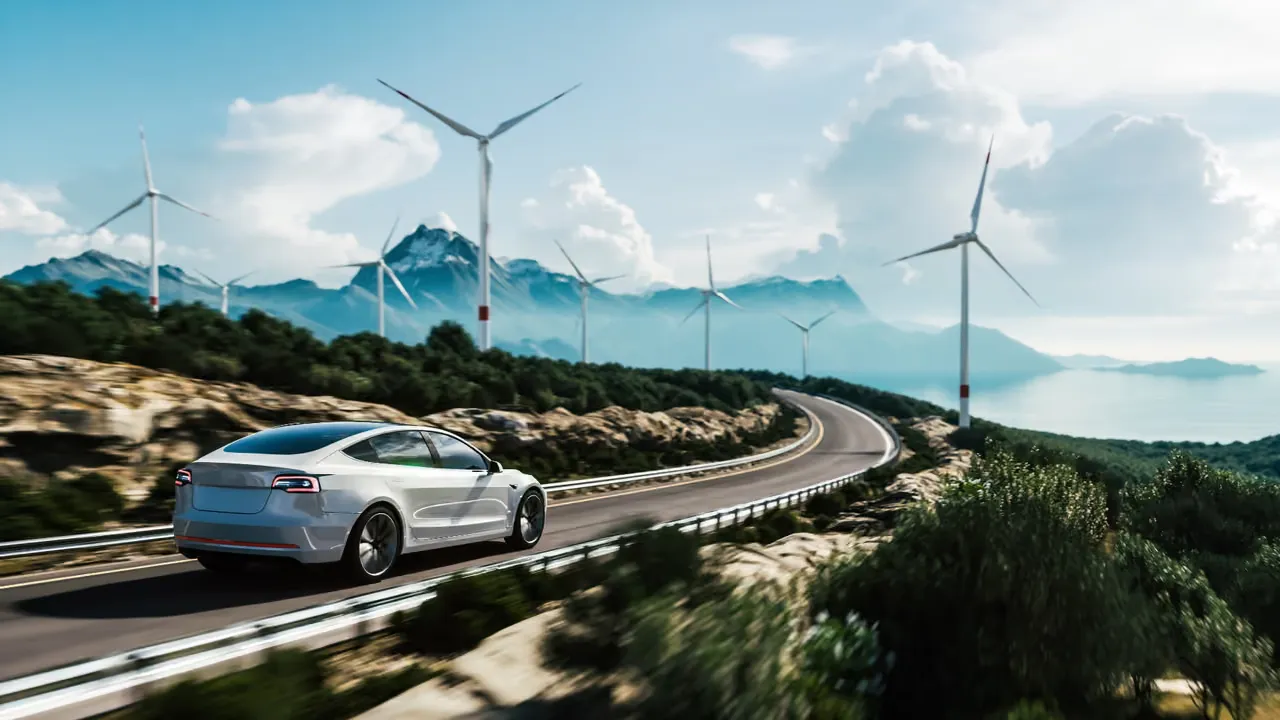
Are electric cars really as green as they seem once you look beyond the miles they drive on the road?
Manufacturing Emissions More Than Meets the Eye
Electric vehicles (EVs) often get praised for their zero tailpipe emissions, but the environmental story begins long before you take your first drive. The manufacturing process of an EV, especially the battery, generates significantly higher carbon emissions compared to conventional internal combustion engine (ICE) cars. Studies suggest that producing an electric car can emit 15% to 68% more greenhouse gases than building a gasoline vehicle, largely due to the energy-intensive process of mining and refining materials for batteries.
Battery production alone accounts for a substantial chunk of these emissions. Manufacturing lithium-ion batteries requires considerable amounts of energy, often sourced from fossil fuels in countries where these materials are processed. This initial “carbon debt” means that EVs need to be driven for a certain distance before they offset these upfront emissions through their cleaner operation.
Raw Material Sourcing and Its Challenges
Digging into what powers electric vehicles leads us to a handful of critical raw materials: lithium, cobalt, nickel, and manganese. These metals are essential for battery performance, energy density, and longevity. However, their extraction comes with serious environmental and ethical concerns.
- Environmental degradation: Mining lithium and cobalt can cause water pollution, habitat destruction, and soil erosion. For instance, lithium extraction in arid regions often strains local water supplies, sometimes leading to conflicts with communities and agriculture.
- Human rights issues: Particularly with cobalt, much of the supply comes from the Democratic Republic of Congo, where reports of child labor and unsafe working conditions have drawn heavy criticism.
- Supply chain vulnerabilities: The concentration of these materials in a few geographic areas makes the EV industry susceptible to geopolitical tensions and price volatility, which can impact the sustainability and accessibility of electric cars.
These challenges highlight that the environmental impact of electric cars isn’t just about carbon emissions but also about the broader footprint of resource extraction and social responsibility.
End-of-Life Recycling and Battery Disposal
The story doesn’t end when an electric car hits the junkyard. Batteries have a finite lifespan—typically 8 to 15 years—and their disposal poses both environmental risks and opportunities. Improper disposal can lead to toxic substances leaching into the ground or water, while battery components can also become valuable materials if recycled effectively.
Currently, recycling infrastructure for EV batteries is developing but not yet widespread or efficient. The complexity of battery chemistry, combined with economic factors, means many batteries end up in landfills or are underutilized for second-life applications such as energy storage. Improving recycling technologies and establishing standardized processes are crucial to reducing the lifecycle impact of EVs.
Some companies and governments are investing in research to recover up to 95% of battery materials, which could drastically reduce the need for new mining and lower the overall environmental footprint of electric cars.
Comparing Lifecycle Impacts Between Electric and Conventional Cars
When assessing the environmental impact of electric versus conventional cars, it’s essential to look at the full lifecycle—from raw material extraction, manufacturing, and use, to end-of-life treatment.
While EVs have higher emissions upfront, their cleaner operation—no tailpipe emissions and the ability to run on renewable electricity—usually leads to lower total greenhouse gas emissions over their lifetime. The exact break-even point varies depending on factors such as electricity grid mix, vehicle size, and driving habits.
Conventional cars rely heavily on fossil fuels, resulting in continuous emissions throughout their service life. Even with advances in fuel efficiency and hybrid technology, they still emit pollutants that contribute to climate change and air quality problems.
However, the environmental advantage of electric cars shrinks if they are charged using electricity from coal-heavy grids or if battery production and disposal practices remain unsustainable.
Consumers and policymakers need to consider these nuances rather than relying on simplified assumptions about electric vehicles. The shift to electric cars is not a silver bullet but part of a broader transformation that must include cleaner energy, responsible mining, and robust recycling systems.