Advancements in Electric Vehicle Battery Technology
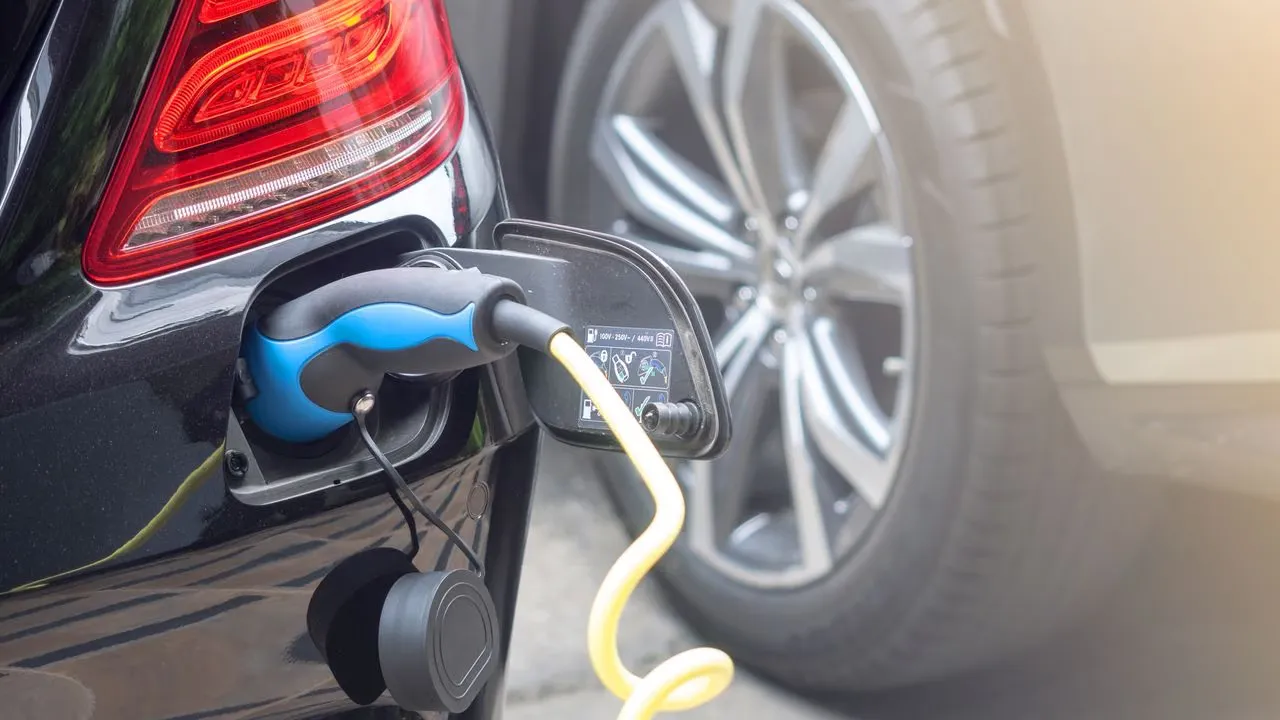
Battery Technology and Advancements in Electric Vehicles
Electric vehicles (EVs) have been gaining popularity in recent years as a greener and more sustainable alternative to traditional gasoline-powered cars. However, one of the main concerns for potential EV owners has been the limitations of battery technology, specifically in terms of range anxiety and charging speed. In this article, we will explore the latest advancements in battery technology, with a focus on solid-state batteries, and how they are addressing these concerns.
Solid-State Batteries
Solid-state batteries are a promising new technology that could revolutionize the EV industry. Unlike traditional lithium-ion batteries, which use liquid electrolytes, solid-state batteries utilize solid electrolytes. This eliminates the risk of leakage, improves safety, and allows for higher energy density.
One of the major advantages of solid-state batteries is their potential to significantly increase the range of electric vehicles. The higher energy density of these batteries means that more energy can be stored in a smaller and lighter package. This translates to longer driving distances on a single charge, reducing range anxiety for EV owners.
Another key benefit of solid-state batteries is their faster charging speed. With traditional lithium-ion batteries, charging times can be lengthy, often requiring several hours to fully charge. Solid-state batteries, on the other hand, have the potential to be charged much more quickly, reducing the time spent at charging stations.
Addressing Range Anxiety
Range anxiety, the fear of running out of battery power before reaching a destination or charging station, has been a significant barrier to widespread EV adoption. However, advancements in battery technology, including the development of solid-state batteries, are helping to alleviate this concern.
With the higher energy density of solid-state batteries, EVs can achieve longer driving ranges on a single charge. This means that drivers can confidently plan longer trips without having to worry about finding a charging station along the way. Additionally, the faster charging speed of solid-state batteries reduces the time spent waiting for a charge, further easing range anxiety.
Furthermore, ongoing research and development in battery technology are continuously improving the energy storage capacity of EV batteries. This means that future generations of electric vehicles will likely have even greater driving ranges, making range anxiety a thing of the past.
Improving Charging Speed
Charging speed is another critical factor in the widespread adoption of electric vehicles. No one wants to spend hours waiting for their car to charge. Solid-state batteries offer a solution to this problem.
The fast-charging capabilities of solid-state batteries can significantly reduce the time spent at charging stations. With advancements in charging infrastructure, such as high-power charging stations, EV owners can expect to recharge their vehicles in a matter of minutes rather than hours.
Furthermore, ongoing research is focused on developing even faster-charging solid-state batteries. This could potentially enable EVs to charge as quickly as refueling a traditional gasoline-powered car, eliminating one of the main drawbacks of electric vehicles.
Conclusion
The advancements in battery technology, particularly the development of solid-state batteries, are revolutionizing the electric vehicle industry. These batteries offer higher energy density, longer driving ranges, and faster charging speeds, addressing the concerns of range anxiety and charging speed. As research and development continue, we can expect to see even more significant improvements in battery technology, making electric vehicles an increasingly viable and attractive option for consumers.